A fresh coat of paint can make a room look cleaner and more finished. When drywall is new or has been repaired, proper preparation is especially important before painting. A Drywall painting service can help create an even finish while addressing common surface issues before the paint is applied. Professional work can also save time and help homeowners avoid uneven coverage, visible seams, and other common painting problems.
Understanding Drywall and Paint
Drywall provides a smooth surface for interior walls and ceilings. However, drywall is not ready for paint immediately after installation. The joints, screw holes, and seams need to be finished first. Proper preparation helps create a surface where paint can be applied evenly.
New drywall can absorb paint differently from an already painted wall. This is one reason primer is often important. Without proper preparation, the finished color may look uneven or patchy. Taking time to prepare the drywall can improve both the appearance and durability of the paint.
Why Drywall Preparation Matters?
Preparation is one of the most important steps in any drywall painting project. Small imperfections can become more visible once paint is applied. Scratches, dents, joint lines, and uneven areas may stand out under certain lighting.
A professional painter will usually inspect the wall before beginning. They can identify areas that need sanding, filling, or additional preparation. The goal is to create a consistent surface before the first coat of paint goes on. This can make the final result look much cleaner.
Finishing Drywall Joints
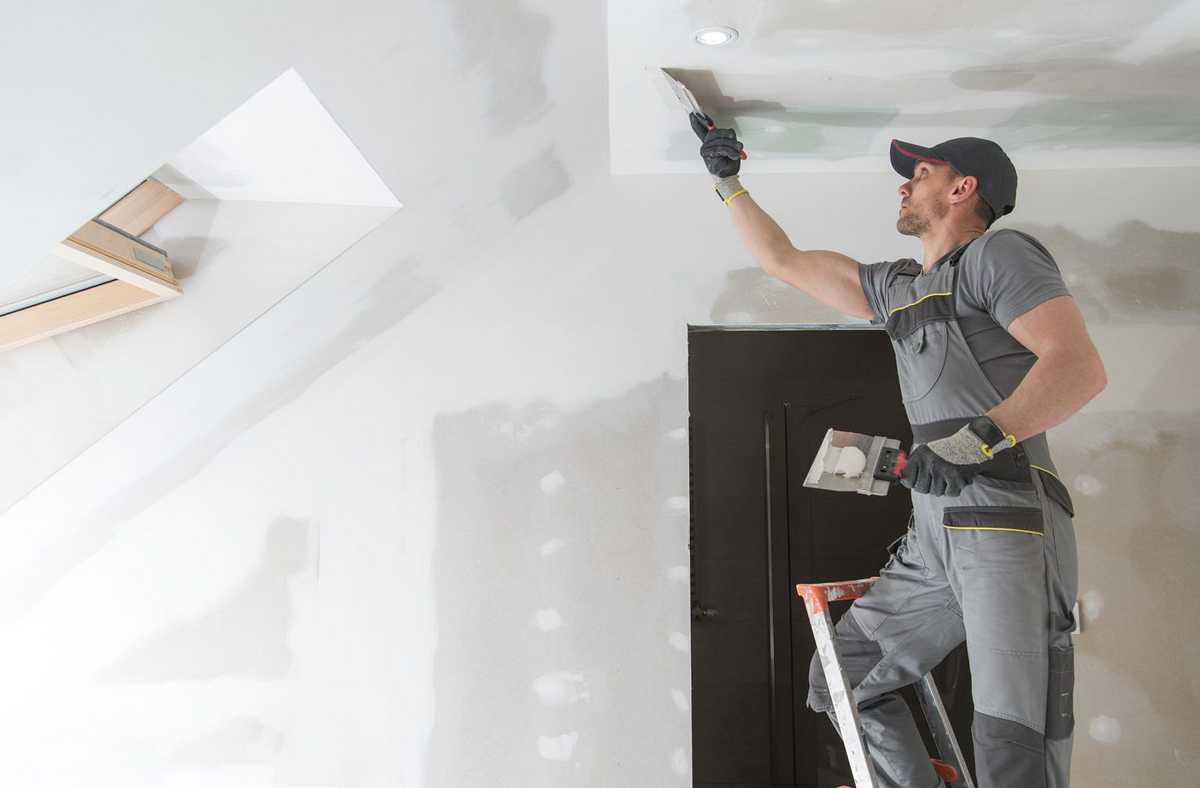
Drywall sheets are installed in sections, so the joints between them must be finished. Joint compound is normally used to cover seams and create a smoother transition. Several applications may be needed to achieve the desired surface.
The compound needs enough time to dry before it is sanded. Rushing this process can leave visible lines or uneven areas. Proper sanding removes excess material and creates a smoother surface. This step requires patience because imperfections can become obvious after painting.
Repairing Existing Drywall
Not every painting project involves new drywall. Existing walls can develop holes, dents, cracks, and other damage over time. Moving furniture, hanging pictures, or general household activity can leave marks on the surface.
These problems should be addressed before painting. Small holes can often be filled and sanded. Larger damage may require more extensive repair. Painting over damaged areas without proper preparation can make the problems easier to see.
Applying Primer to Drywall
Primer helps prepare drywall for the final paint. New drywall can be particularly absorbent, which may cause regular paint to soak in unevenly. A suitable primer can help create a more consistent surface.
Primer can also help improve the appearance of the final color. It provides a uniform base between the drywall and finish coats. This can be especially useful when changing from one color to another. The type of primer should be selected based on the condition and material of the surface.
Choosing the Right Paint
Paint selection should depend on the room and how the surface will be used. Different finishes offer different levels of durability and appearance. For example, areas that receive frequent cleaning may benefit from a more washable finish.
Color selection is also important. Light colors can help make a room feel larger and brighter. Neutral colors can work well with many furniture styles. Darker colors can add contrast but may require more attention during application.
Painting New Drywall
Painting new drywall requires careful preparation. The surface should be clean, dry, smooth, and properly primed before the finish coats are applied. Skipping any of these steps can affect the final appearance.
The first coat may not provide complete coverage. Depending on the paint and color, a second coat may be necessary. Each coat should be applied evenly and allowed to dry properly. This helps reduce streaks and visible differences in coverage.
Painting Over Previously Painted Walls
Previously painted drywall may need a different preparation process. The existing paint should be checked for peeling, cracking, or loose areas. Damaged sections should be repaired before the new paint is applied.
Cleaning the wall can also be important. Dust and dirt can interfere with paint adhesion. Once the surface is clean and properly prepared, the new paint can provide a fresh appearance. Primer may be useful when there are major color changes or repaired areas.
Creating Smooth and Clean Edges
Good painting involves more than covering the center of the wall. Edges around ceilings, windows, doors, trim, and corners need careful attention. Uneven lines can make an otherwise good paint job look unfinished.
Professional painters use appropriate brushes, rollers, and masking techniques to maintain clean edges. They also protect surfaces that should not receive paint. Careful work around these areas can improve the overall appearance of the room.
Avoiding Common Drywall Painting Problems
Several problems can occur when drywall is painted without proper preparation. Visible seams are one common issue. Another is uneven paint absorption, which can create areas that look lighter or darker.
Paint can also highlight dents and repairs that were not properly finished. Roller marks and brush lines may appear if paint is applied unevenly. These problems are often easier to prevent than to correct after the project is complete.
Painting Ceilings and Drywall Surfaces
Drywall is commonly used on ceilings as well as walls. Ceiling painting can be more difficult because of the working position and the need to protect floors and furniture. Paint can also create noticeable marks if coverage is uneven.
A consistent finish is important on large ceiling surfaces. Proper lighting can help identify missed areas while the work is underway. Professional painters can also use the right tools to improve coverage and reduce unnecessary mess.
Preparing the Room Before Painting
Room preparation helps protect belongings and makes the painting process easier. Furniture may need to be moved away from the walls or removed from the room. Floors should also be covered to protect them from paint and other materials.
Light switches, outlets, fixtures, windows, and trim may require additional protection. Removing or covering these items can help prevent accidental paint marks. Good preparation also gives painters more room to work safely and efficiently.
The Benefits of Professional Painting
Painting drywall may look like an easy project, but getting a professional finish takes experience. The painter needs to understand surface preparation, primer, paint application, drying times, and finishing techniques. Mistakes at any stage can affect the final result.
Professional painting can also save homeowners time. Preparing walls and applying multiple coats can take longer than expected. A trained team can organize the work and complete each stage in the correct order. This can make a large project easier to manage.
Choosing Paint Colors for Different Rooms
Each room can have a different purpose, so the color should fit the space. Bedrooms often work well with calm and comfortable colors. Living rooms can use neutral shades or stronger colors depending on the homeowner’s style.
Kitchens and hallways may benefit from colors that are easy to maintain. Offices may look better with simple colors that create a clean environment. When selecting a color, consider existing floors, cabinets, furniture, and lighting.
Maintaining Painted Drywall
Proper maintenance can help painted drywall stay attractive for longer. Dust can be removed with gentle cleaning methods. Marks should be addressed as soon as practical to prevent them from becoming difficult stains.
It is also useful to inspect walls occasionally. Small cracks, peeling areas, or moisture marks may indicate that a repair is needed. Addressing these problems early can help prevent more extensive damage.
When to Hire a Painting Professional?
Some small painting projects can be handled by homeowners. Larger projects are different. Painting several rooms, repairing damaged drywall, or dealing with new construction can require significant time and effort.
Professional help can be especially useful when the walls have many imperfections. An experienced painter can determine what needs to be repaired before painting begins. They can also recommend suitable products and application methods for the surface.
Finding a Reliable Local Painter
Choosing a local painting professional requires more than looking for the lowest price. Consider experience, communication, preparation methods, and the quality of the work. A reliable painter should be willing to explain what the project involves.
Ask about the expected timeline and the materials that will be used. It is also helpful to discuss cleanup and how furniture and floors will be protected. Clear communication before the project starts can help avoid misunderstandings.
Why Professional Work Can Make a Difference
A well-painted drywall surface should look smooth and consistent. The color should have even coverage, and repairs should blend into the surrounding wall. Clean edges also contribute to a finished appearance.
Professional painters focus on these details throughout the project. They understand that preparation is just as important as the final coat. By taking the right steps from the beginning, they can reduce common problems and produce a more consistent finish.
Finding the Right Service for Your Needs
Homeowners should choose a painting company based on the type of project they need completed. Some projects may require drywall repairs before painting. Others may only need a color change or fresh finish.
If you are searching for a Wall painter service in your area, look for professionals who offer both preparation and painting. This can make the process more convenient when your walls need repairs before the final color is applied. A local professional can also discuss your project and help you understand which services are appropriate for your home.
Conclusion
Painting drywall is an effective way to refresh the interior of a home. However, the quality of the finished result depends heavily on preparation. Repairing imperfections, finishing seams, sanding surfaces, applying primer, and using the right paint can all improve the final appearance.
For homeowners in Broken Arrow, OK, and surrounding areas, Matthews Painting provides professional painting services designed to meet a range of residential needs. Their attention to preparation and finishing can help homeowners achieve cleaner and more consistent results. Whether you have new drywall, repaired walls, or an older interior that needs a fresh coat of paint, choosing an experienced local painting company can make the project easier and more manageable.