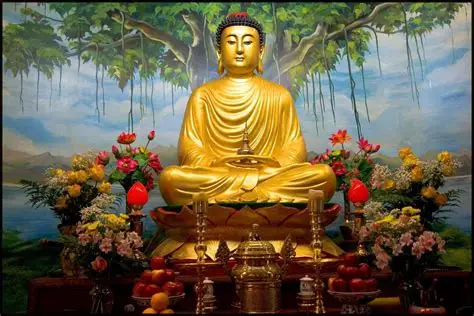
India, the birthplace of Buddhism, hosts a rich tapestry of festivals that honor the journey of Siddhartha Gautama—from his birth and enlightenment to his teachings and final liberation. Buddhist Festivals in India are not just religious observances; they are moments of reflection, community, and cultural pride. Whether you’re a pilgrim, traveler, or seeker of peace, these festivals offer a unique window into the heart of Buddhist philosophy.
1. Buddha Purnima (Vesak) – Birth, Enlightenment, and Nirvana
Date: Full moon day in April or May
Buddha Purnima is the most significant Buddhist festival, marking the birth, enlightenment, and death (Mahaparinirvana) of Gautama Buddha.
- Where to Celebrate:
- Bodh Gaya: The Mahabodhi Temple is the epicenter of celebrations.
- Sarnath: Hosts prayer meetings and cultural programs.
- Kushinagar: Pilgrims gather at the Mahaparinirvana Temple.
- Rituals:
- Chanting of sutras
- Offering flowers and lamps
- Community meals and meditation sessions
Tip: Arrive early to witness the morning rituals and join guided heritage walks.
2. Hemis Festival – Masked Dances and Monastic Splendor
Date: June or July (10th day of Tibetan lunar calendar)
Held at Hemis Monastery in Ladakh, this two-day festival honors Guru Padmasambhava, the founder of Tibetan Buddhism.
- Highlights:
- Cham dances (masked performances)
- Display of the sacred thangka (Buddhist painting)
- Traditional music and rituals
Tip: Book accommodations in Leh in advance; the festival draws global visitors.
3. Losar – Tibetan New Year
Date: February or March (varies by lunar calendar)
Losar marks the Tibetan New Year and is celebrated with joy, prayers, and cultural performances.
- Where to Celebrate:
- McLeod Ganj (Dharamshala)
- Tawang (Arunachal Pradesh)
- Leh (Ladakh)
- Traditions:
- Cleaning homes to remove negativity
- Preparing special dishes like khapse
- Monastic rituals and dances
Tip: Visit monasteries during Losar for authentic cultural immersion.
4. Asalha Puja (Dhamma Day) – First Sermon of Buddha
Date: Full moon day in July
This festival commemorates Buddha’s first sermon at Sarnath, where he taught the Four Noble Truths.
- Celebrations:
- Dharma talks and meditation
- Offerings to monks
- Recitation of scriptures
Tip: Sarnath is the ideal place to experience this festival with historical depth.
5. Magha Puja – Sangha Day
Date: Full moon day in February
Magha Puja honors the spontaneous gathering of 1,250 enlightened monks to hear Buddha’s teachings.
- Activities:
- Candlelight processions
- Group meditations
- Community service
Tip: Visit Buddhist centers in Bodh Gaya or Dehradun for peaceful celebrations.
6. Kathina Ceremony – Robe Offering Festival
Date: October or November (after monsoon retreat)
Kathina marks the end of the three-month monastic retreat and involves offering robes and essentials to monks.
- Where to Celebrate:
- Buddhist monasteries across India
- International Buddhist centers
- Significance:
- Strengthens lay-monastic relationships
- Encourages generosity and gratitude
Tip: Participate in donation drives and learn about Buddhist ethics.
Travel Tips for Experiencing Buddhist Festivals
- Plan Ahead: Festival dates follow lunar calendars and may vary each year.
- Dress Modestly: Respect local customs, especially in monastic settings.
- Stay Nearby: Choose accommodations close to temples or monasteries.
- Learn the Basics: Understanding Buddhist principles enhances your experience.
- Be Respectful: Avoid loud behavior, photography during rituals, and interrupting prayers.
Buddhist Festivals in India are more than cultural events—they’re spiritual invitations to pause, reflect, and celebrate the path of peace. Whether you’re lighting a lamp at Bodh Gaya or watching a masked dance in Ladakh, these festivals offer timeless wisdom and unforgettable memories.