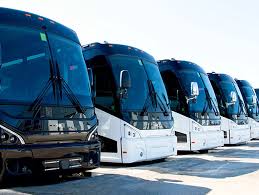
Bus Rental Toronto
Group travel can be an enjoyable and rewarding experience when transportation is planned properly. Whether we are organizing a corporate event, a family outing, a school excursion, a wedding, or a sightseeing trip, choosing the right transportation can make the entire journey more comfortable and convenient. When several people need to travel to the same destination, coordinating separate vehicles can quickly become complicated. A well-planned bus rental offers a practical solution by allowing everyone to travel together while reducing the stress associated with organizing a group journey.
Bus Rental Toronto services provide flexible transportation options for groups with different travel requirements. From short trips within the city to full-day excursions and special events, selecting the right vehicle and planning the journey carefully can improve the overall experience. However, a successful trip involves more than simply reserving a bus. We also need to consider passenger numbers, comfort, safety, scheduling, luggage capacity, accessibility, and the quality of the transportation provider.
Understanding these factors helps us make informed decisions and create a smoother experience for every passenger. With the right preparation, group transportation can become one of the easiest parts of organizing an event or trip.
1. Choose the Right Bus Size for Your Group
One of the most important factors in planning group transportation is choosing a vehicle that accommodates everyone comfortably. The number of passengers directly influences which type of bus we should reserve. Selecting a vehicle that is too small can create unnecessary discomfort, while booking a much larger vehicle than necessary may increase transportation costs.
Before making a reservation, we should establish an accurate passenger count. It is also sensible to consider whether additional people might join the trip at the last minute. Having a reliable estimate helps us select an appropriate vehicle without paying for unnecessary capacity.
Different group sizes may require different transportation solutions. Smaller groups might prefer a minibus, while larger parties may benefit from a full-size charter bus. Corporate teams, wedding guests, sports groups, and school organizations can each have different seating requirements.
We should also consider the amount of luggage passengers will bring. A group traveling with suitcases, sports equipment, presentation materials, or event supplies may require more storage space than a group taking a short sightseeing trip.
By matching the vehicle to our group’s size and requirements, we can improve passenger comfort and avoid preventable transportation problems.
2. Prioritize Passenger Comfort
Comfort plays a significant role in determining how passengers feel throughout their journey. Even a relatively short trip can become unpleasant if the vehicle is overcrowded, poorly maintained, or unsuitable for the travel distance.
When comparing transportation options, we should examine the seating arrangement, available legroom, climate control, cleanliness, and general condition of the vehicle. Comfortable seating is especially important when the journey involves extended travel or several stops.
Toronto’s weather can also influence the passenger experience. Summers may bring warm temperatures, while winter journeys can involve cold conditions, snow, and changing road conditions. Reliable heating and air conditioning help maintain a comfortable environment throughout the year.
For longer excursions, additional amenities may be useful. Depending on the vehicle, these might include reclining seats, overhead storage, charging outlets, entertainment systems, or onboard washroom facilities.
We should confirm which amenities are actually available before making a booking rather than assuming that every vehicle includes the same features.
Comfort also depends on thoughtful scheduling. Allowing sufficient time for boarding, restroom breaks, meals, and rest stops can help passengers remain relaxed throughout the journey.
When we make comfort a priority, we create a more pleasant travel experience for everyone involved.
3. Evaluate the Transportation Provider’s Reliability
A reliable transportation provider can make a substantial difference to the success of a group outing. Late arrivals, unexpected cancellations, unclear communication, and poorly maintained vehicles can disrupt even the best-planned event.
Before reserving a vehicle, we should evaluate the provider’s reputation, experience, customer service, and booking policies. Reading customer reviews can help us understand how a company handles punctuality, communication, vehicle cleanliness, and unexpected changes.
We should pay particular attention to feedback about similar trips. For example, a provider experienced in corporate transportation may understand the importance of punctual arrivals, while a company familiar with sightseeing excursions may be better prepared to coordinate multiple stops.
Clear communication is another important consideration. We should expect straightforward answers about pricing, pickup arrangements, passenger capacity, included amenities, and cancellation conditions.
It is also useful to confirm the reservation details in writing. A written confirmation helps prevent misunderstandings about the departure time, destination, vehicle type, and agreed services.
Choosing a dependable company offering Bus Rental Toronto services allows us to approach the journey with greater confidence. Reliable planning helps everyone focus on the purpose of the trip instead of worrying about transportation arrangements.
4. Consider Safety and Professional Driving Standards
Passenger safety should remain a priority whenever we organize group transportation. A suitable vehicle, a qualified driver, and responsible operating practices contribute to a safer and more organized journey.
We should choose a provider that follows applicable transportation regulations and maintains its vehicles according to appropriate safety requirements. Before booking, we can ask about vehicle maintenance, driver qualifications, insurance coverage, and the company’s approach to passenger safety.
Professional drivers contribute more than basic transportation. They must navigate traffic, follow road regulations, monitor changing conditions, and manage the journey responsibly. Familiarity with Toronto’s roads can also be beneficial when traveling through busy downtown areas, major intersections, construction zones, or popular event destinations.
Weather conditions require additional consideration. Rain, snow, freezing temperatures, and reduced visibility can affect travel times and road safety. A responsible transportation plan should allow flexibility when conditions change.
Passengers can contribute to a safer experience by following the driver’s instructions, boarding carefully, keeping aisles clear, and respecting vehicle rules.
We should also communicate any special requirements in advance. Groups traveling with children, older passengers, or people with mobility needs may require additional planning to ensure that boarding and travel arrangements are suitable.
By evaluating safety standards before making a reservation, we can choose transportation that supports a more secure and dependable journey.
5. Plan Pickup Locations and Departure Times Carefully
An effective transportation plan begins with clear pickup arrangements. When passengers are traveling from different neighborhoods or locations, deciding where everyone should meet can save time and reduce confusion.
We should choose pickup points that are easy to identify and reasonably accessible to the group. Locations with suitable space for boarding can make the departure process more organized, particularly when several passengers are arriving simultaneously.
Departure times should reflect the purpose of the trip. Corporate meetings, conferences, weddings, and scheduled attractions may require passengers to arrive at a specific time. In these situations, we should allow a reasonable buffer for traffic, boarding, and unexpected delays.
Toronto traffic can vary considerably depending on the time of day, road construction, weather, and major events. A route that appears straightforward on a map may take longer during peak commuting hours.
When planning the schedule, we should consider the distance between stops, the expected duration of activities, and the time needed for passengers to board and leave the vehicle.
For multi-stop trips, a clear itinerary can help everyone understand where they need to be and when. Sharing the schedule with passengers before departure can also reduce repeated questions and last-minute confusion.
Careful coordination makes the journey more predictable and helps the group reach its destination with less stress.
6. Understand the Total Rental Cost
Budget planning is another essential part of organizing group transportation. Although the initial rental price may appear straightforward, the final cost can depend on several factors.
These may include the type of vehicle, rental duration, travel distance, number of stops, seasonal demand, and the services included in the booking. Some providers may also charge additional fees for extended waiting periods, extra mileage, parking, tolls, or schedule changes.
We should request a detailed quotation before confirming the reservation. Understanding what the price includes allows us to compare options fairly and avoid unexpected expenses.
It is also important to clarify payment terms, deposits, cancellation policies, and refund conditions. If our plans change, knowing these details in advance can help us make decisions without unnecessary financial uncertainty.
Group transportation can offer practical value because the total cost may be shared among multiple passengers. Instead of coordinating numerous cars and separate parking arrangements, the group can travel together in one vehicle.
However, the lowest quotation is not necessarily the best option. A slightly higher price may include better amenities, more suitable seating, experienced drivers, or more flexible scheduling.
We should compare the overall value rather than focusing exclusively on the initial price. A transparent quotation and a clearly defined service agreement help us manage the budget more effectively.
7. Select a Vehicle That Matches the Purpose of the Trip
Every group journey has its own objectives, and the transportation arrangement should reflect them. A vehicle suitable for a short local outing may not provide the same advantages as one designed for an extended excursion.
Corporate groups may prioritize punctuality, comfortable seating, and a professional environment. Wedding parties may need convenient transportation between hotels, ceremony locations, and reception venues. School groups may require arrangements that support supervision and organized boarding.
Sports teams often travel with equipment, uniforms, and bags. For these groups, storage capacity and enough room for passengers are particularly important.
Tourists and sightseeing groups may prefer a vehicle that makes it easy to travel between attractions while keeping everyone together. Families planning special outings may value convenient pickup locations, suitable seating, and a flexible schedule.
Before selecting a vehicle, we should explain the purpose of the trip to the rental provider. This helps the company recommend an option that matches the group’s needs.
We should also identify any special requirements, including additional luggage, accessibility needs, or multiple destinations.
Choosing transportation according to the purpose of the journey helps avoid unnecessary compromises and improves the overall experience.
8. Look for Flexibility in Scheduling and Routes
Travel plans do not always proceed exactly as expected. An event may finish earlier than anticipated, a sightseeing stop may take longer, or road conditions may require a route adjustment.
For this reason, flexibility is a valuable feature when organizing group transportation. We should discuss the possibility of schedule changes with the provider before confirming a booking.
It is important to understand which changes are permitted and whether they involve additional charges. Some arrangements may allow limited adjustments, while others require advance notice or a revised quotation.
We should prepare a primary itinerary and identify which parts of the schedule are essential. For example, a conference start time may be fixed, whereas a lunch stop during a private excursion may allow more flexibility.
When multiple destinations are involved, we should confirm the planned route and estimated duration with the transportation provider. This makes it easier to establish realistic expectations for the day.
Flexibility should not mean leaving everything undecided. A well-organized plan provides structure while allowing reasonable adjustments when circumstances change.
By balancing preparation with adaptability, we can reduce disruption and help the group enjoy the journey.
9. Make Communication Easy for Every Passenger
Clear communication helps keep a group organized before, during, and after a trip. Even when transportation has been arranged professionally, passengers still need accurate information about meeting points, departure times, destinations, and schedule changes.
We should appoint a main contact person who can coordinate with the driver or transportation company. Having one designated representative reduces the risk of conflicting instructions and makes it easier to resolve questions.
Before the journey, passengers should receive essential details, including the pickup address, arrival time, expected return time, and any important travel instructions.
For larger groups, sharing the itinerary through an email or group messaging platform can help everyone stay informed. We should also establish a simple procedure for communicating delays or changes.
It is useful to remind passengers to arrive a little before the scheduled departure. This gives the group time to settle in without delaying the entire itinerary.
If the trip involves several stops, the organizer should explain how passengers will know when and where to rejoin the group.
Good communication becomes particularly valuable during corporate events, conferences, weddings, and sightseeing excursions where multiple activities must happen according to a schedule.
When everyone understands the arrangements, the group can travel more confidently and spend less time resolving avoidable confusion.
10. Check Accessibility and Individual Passenger Needs
A successful group trip should account for the needs of all passengers. Not everyone has the same mobility, seating, or travel requirements, so we should identify these considerations before selecting a vehicle.
Some passengers may need easier boarding access, additional time to enter or leave the vehicle, or suitable arrangements for mobility aids. Others may benefit from a convenient pickup location that minimizes the distance they need to walk.
We should discuss accessibility requirements directly with the rental provider rather than assuming that every vehicle offers the same facilities.
If an accessible vehicle is required, we should confirm its specific features, availability, and suitability for the passengers traveling. This may include wheelchair access, securement arrangements, or other features relevant to the group.
Families traveling with young children should also ask about applicable child passenger safety requirements and whether suitable seating arrangements need to be provided in advance.
For longer journeys, it can be helpful to plan appropriate rest stops and avoid schedules that leave passengers with insufficient time to move comfortably between activities.
Considering these needs early allows us to make appropriate arrangements and helps every passenger participate more comfortably.
11. Consider Luggage Space and Onboard Amenities
Luggage requirements can influence the type of bus we need. A group traveling directly to a nearby event may carry very little, while a group leaving Toronto for a weekend trip may bring multiple suitcases and personal belongings.
Before making a reservation, we should estimate the amount of luggage and equipment the group will carry. This includes items such as backpacks, sports gear, musical instruments, presentation materials, and event supplies.
We should ask the transportation provider where luggage will be stored and whether there are restrictions on the size or quantity of bags. Adequate storage helps keep passenger seating areas organized and reduces the chance of blocked aisles.
Onboard amenities should also match the journey. For a short trip, basic seating and climate control may be sufficient. Longer journeys may benefit from additional comfort features, depending on availability.
We should verify whether charging outlets, entertainment systems, Wi-Fi, or washroom facilities are included when these features are important to our group.
It is also worth asking about restrictions on food, drinks, and personal belongings. Clear expectations help maintain cleanliness and prevent misunderstandings during the trip.
By checking storage and amenities in advance, we can choose a vehicle that supports both comfort and practicality.
12. Prepare for Toronto Traffic and Changing Weather
Toronto is a busy metropolitan area with a transportation network that can become congested during commuting hours, public events, and periods of road construction. Weather conditions can also affect travel times throughout the year.
When planning a group journey, we should avoid creating an itinerary that depends on every part of the trip running perfectly on schedule. Allowing extra time between important activities can make the day more manageable.
For example, a group attending a conference should plan to arrive before registration begins. Wedding transportation should account for the possibility of traffic delays between venues. Sightseeing groups should allow enough time to reach attractions without rushing through the planned activities.
Checking expected weather conditions before departure can also help us prepare appropriate clothing and adjust the itinerary when necessary.
During winter, snow and icy roads may require additional travel time. During summer, popular attractions and major events may increase traffic in surrounding areas.
We should remain in communication with the transportation provider if conditions change significantly. A professional driver may recommend adjustments to the route or departure schedule when appropriate.
A realistic itinerary helps the group stay organized while reducing the pressure associated with unexpected delays.
13. Book Early for Important Events and Busy Travel Periods
Booking transportation early can provide more time to compare vehicles, review service details, and confirm the arrangements that matter most to the group.
Demand may increase during wedding season, graduation periods, holidays, major sporting events, conferences, and popular sightseeing periods. Waiting until the last minute can limit vehicle availability and make it harder to find an option that meets the group’s requirements.
We should begin by identifying the travel date, passenger count, pickup location, destination, and expected duration. With these details available, we can request quotations and compare suitable options.
Once we have selected a provider, we should review the booking confirmation carefully. Important details include the vehicle type, pickup time, route, rental duration, payment conditions, and cancellation policy.
We should also ask when the final passenger count must be confirmed and whether adjustments are possible if the group size changes.
A few days before departure, reviewing the arrangements can help identify missing details before they become problems. We can confirm the pickup location, contact information, itinerary, and any special requirements.
Early planning gives us greater control over the arrangements and reduces the pressure of organizing transportation close to the event date.
14. Choose Transportation That Offers Convenience and Group Value
One of the main advantages of traveling together is the convenience of coordinating a single transportation arrangement instead of managing several vehicles.
When passengers travel separately, organizers may need to coordinate different departure times, parking arrangements, routes, and arrival estimates. These complications can become more difficult when the destination has limited parking or when everyone needs to arrive at the same time.
A shared vehicle simplifies many of these responsibilities. Passengers can gather at an agreed location, travel along a coordinated route, and arrive together.
This arrangement can also make it easier for the group to socialize and enjoy the journey. Colleagues can discuss event plans, families can spend time together, and sightseeing groups can share the experience from the beginning.
The financial value depends on the group size, rental duration, route, and alternative transportation costs. We should compare the complete cost of the planned arrangement rather than assuming that one option will always be less expensive.
Parking, fuel, tolls, and coordination time may also affect the overall value of traveling separately.
When we evaluate convenience alongside cost, we can make a more informed decision about the transportation arrangement that best serves our group.
15. Review the Booking Details Before Confirming
Even when we have found a suitable vehicle and provider, reviewing the booking details is an important final step.
We should confirm that the reservation accurately reflects the agreed requirements. This includes the date, pickup time, passenger capacity, destination, expected return time, and any additional stops.
It is also important to verify the total price and identify any possible extra charges. We should understand the rules for extending the rental period, changing the route, or cancelling the booking.
The provider’s contact information should be readily available in case we need to communicate before departure. We should also confirm how the driver and group organizer will identify each other at the pickup point.
If the journey includes several destinations, we should ensure that the itinerary is clear and that the expected waiting periods have been discussed.
Special arrangements, such as accessibility requirements or additional luggage space, should be confirmed rather than left to assumption.
A final review helps ensure that the transportation service matches our expectations and provides a clear reference for everyone involved.
Conclusion
A successful group journey depends on thoughtful planning, reliable transportation, clear communication, and attention to passenger needs. From selecting the correct vehicle size to confirming safety standards, understanding costs, and preparing for Toronto traffic, each decision contributes to a more comfortable and organized experience.
When evaluating Bus Rental Toronto options, we should look beyond the initial price and consider the complete service. Passenger capacity, comfort, scheduling flexibility, luggage space, accessibility, and provider reliability all influence how smoothly the journey proceeds.
We should also book early for important events, confirm arrangements in writing, and prepare an itinerary that allows enough time for boarding, travel, and scheduled activities. These practical steps help prevent common problems and give the group greater confidence in its transportation arrangements.
Whether we are planning a corporate function, family outing, wedding, school excursion, sports event, or sightseeing adventure, the right transportation arrangement can simplify coordination and make traveling together more enjoyable.
By focusing on these essential factors, we can organize group transportation that balances comfort, convenience, safety, and value while helping every passenger make the most of the experience.
FAQs
1. What factors should we consider when choosing a bus rental in Toronto?
We should consider passenger capacity, vehicle comfort, safety standards, provider reliability, luggage space, rental costs, accessibility, and scheduling flexibility. The best choice depends on the purpose of the trip, the number of passengers, and the distance we plan to travel.
2. How far in advance should we book group transportation?
Booking several weeks in advance is a practical approach for many trips. For weddings, large corporate events, holidays, and busy travel periods, booking earlier can provide more vehicle choices. We should confirm availability as soon as the date and passenger count are reasonably clear.
3. How can we make group travel more affordable?
We can compare detailed quotations, select a vehicle that matches the group size, finalize the itinerary early, and confirm which services are included in the price. Sharing the total transportation cost among passengers may also make the arrangement more economical than coordinating several separate vehicles.
4. What amenities should we look for in a rental bus?
Useful amenities may include comfortable seating, climate control, adequate luggage storage, charging outlets, and entertainment features. For longer journeys, a washroom or additional comfort features may be valuable. We should confirm the availability of each amenity before booking.
5. Why is it important to choose a reliable transportation provider?
A dependable provider helps us coordinate pickup times, follow the planned itinerary, and address transportation questions efficiently. Professional drivers, properly maintained vehicles, transparent pricing, and clear communication can reduce uncertainty and contribute to a smoother group travel experience.
For more information: Airlink Tours Niagara Falls Toronto