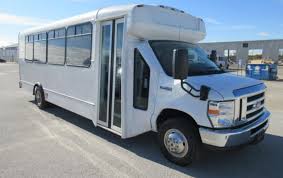
Bus Rental Toronto
Choosing the right transportation is an important part of organizing a successful group journey. Whether we are planning a corporate event, family outing, wedding celebration, school excursion, airport transfer, or sightseeing trip, selecting a suitable vehicle can make the entire experience more comfortable and convenient. Group transportation requires more than simply finding a vehicle with enough seats. We also need to consider passenger comfort, travel schedules, safety standards, luggage capacity, pricing, and the reliability of the transportation provider.
When several people need to reach the same destination, coordinating individual vehicles can become complicated. Different arrival times, parking arrangements, fuel expenses, and route planning can create unnecessary challenges. A rental bus provides a practical way to keep passengers together and simplify transportation arrangements. However, choosing the right option requires careful evaluation of the available services and the specific needs of the group.
With Bus Rental Toronto, we can explore convenient transportation arrangements for different occasions while focusing on comfort, organization, and efficiency. Before confirming a reservation, it is important to understand the features that matter most and identify a vehicle that matches the requirements of the journey.
1. Determine Your Group Size and Transportation Requirements
The first step when choosing a rental bus is determining how many people will be travelling. Passenger numbers directly influence the type of vehicle required, the available seating arrangements, and the overall transportation budget.
We should begin by preparing an accurate passenger list. If the trip involves employees, students, family members, wedding guests, or tourists, confirming attendance in advance can help prevent booking mistakes. It is also useful to consider whether additional passengers might join later.
Different group sizes require different transportation solutions. A small gathering may need a minibus, while a large corporate event or school excursion may require a full-size charter bus. Selecting a vehicle that is too small can create uncomfortable seating arrangements, whereas booking an unnecessarily large vehicle may increase expenses.
Apart from passenger capacity, we should consider the purpose of the journey. A short transfer between two locations may require different features from a full-day sightseeing excursion. Longer journeys generally require more attention to seating comfort, storage capacity, and passenger amenities.
Before contacting a transportation provider, we should establish:
- The total number of passengers.
- The departure and arrival locations.
- The travel date and estimated duration.
- The number of planned stops.
- The amount of luggage passengers will carry.
- Any accessibility or special seating requirements.
- Whether transportation is needed for a one-way or return journey.
Having these details ready makes it easier to compare available options and receive accurate rental quotations.
2. Select the Appropriate Bus Type
Not every rental bus is suitable for every occasion. Transportation providers may offer several vehicle categories, each designed to accommodate different passenger capacities and travel requirements.
Understanding these options helps us make a practical decision instead of choosing a vehicle based only on its appearance or price.
Minibuses
Minibuses are generally suitable for smaller groups, local transportation, private gatherings, and short-distance transfers. They can provide a convenient solution when a full-size bus would be unnecessary.
Mid-Size Charter Buses
Mid-size buses can accommodate medium-sized groups and are useful for corporate outings, family celebrations, organized tours, and community events. They provide a balance between passenger capacity and transportation flexibility.
Full-Size Charter Buses
Full-size charter buses are appropriate for larger groups travelling together. They are commonly considered for school trips, conferences, sports events, weddings, and extended excursions.
Specialized Transportation Options
Some occasions may require specific vehicle features or accessibility arrangements. We should discuss these requirements with the provider to determine which vehicles are suitable.
When evaluating Bus Rental Toronto, we should focus on the vehicle’s actual passenger capacity rather than relying on general descriptions. Asking about seating arrangements and available space helps ensure that everyone can travel comfortably.
3. Check Passenger Comfort and Available Amenities
Passenger comfort is an essential consideration, particularly when the journey involves several hours on the road. A vehicle may have enough seats for everyone, but that does not necessarily mean it will provide a comfortable travel experience.
Before making a reservation, we should ask about the available amenities and seating features. Comfortable seats, sufficient legroom, proper ventilation, and climate control can make a significant difference.
Air conditioning is particularly valuable during warmer months, while reliable heating is important for winter transportation in Toronto. Passengers should be able to enjoy a comfortable environment regardless of seasonal conditions.
Other amenities worth considering include:
- Comfortable and properly maintained seating.
- Air conditioning and heating systems.
- Adequate luggage compartments.
- Interior lighting.
- Convenient boarding arrangements.
- Entertainment facilities, where available.
- Wi-Fi availability, if required.
- Restroom facilities on suitable larger vehicles.
Not every bus includes all these features, so we should confirm availability instead of assuming they are automatically provided.
For longer journeys, adequate legroom and comfortable seating deserve particular attention. Passengers may become tired during extended travel, especially when the itinerary includes several destinations.
We should also consider the needs of children, elderly passengers, and individuals who require additional assistance. Discussing these details before booking helps us select a vehicle that accommodates the entire group.
4. Evaluate Safety Standards and Vehicle Maintenance
Safety should always be one of our highest priorities when selecting a rental bus. A comfortable vehicle is important, but passengers also need confidence that the transportation arrangements meet applicable safety requirements.
Before confirming a booking, we should ask the provider about its vehicle maintenance procedures and operational standards. Properly maintained buses help reduce the likelihood of mechanical problems during travel.
Important safety considerations include vehicle inspections, functioning seat belts where fitted or required, tire condition, braking systems, emergency equipment, and general vehicle cleanliness.
We should also ask whether the transportation company maintains the appropriate licensing and insurance for the services it provides. These details help us understand whether the provider operates professionally and meets relevant requirements.
Driver qualifications deserve equal attention. We should confirm that drivers hold the appropriate licences and have experience operating the type of vehicle required for the journey.
For school trips and corporate transportation, safety arrangements may require additional attention because organizers are responsible for coordinating larger groups.
A professional provider should be willing to answer reasonable questions about vehicle condition, driver qualifications, and safety procedures. Clear communication helps us make a more informed decision.
5. Consider the Experience and Reputation of the Rental Company
Choosing a suitable vehicle is only one part of the process. The transportation company behind the service also plays an important role in the overall experience.
An experienced provider should understand the challenges associated with group transportation and be able to explain the available options clearly.
We should review customer feedback to understand how the company handles important aspects of its service. Reviews can provide useful information about punctuality, vehicle condition, driver professionalism, communication, and booking arrangements.
When evaluating a provider, we should look for consistent feedback rather than relying on one particularly positive or negative comment.
It is also useful to ask questions about the company’s experience with similar transportation requirements. A provider that regularly handles weddings, school excursions, corporate events, or sightseeing trips may better understand the coordination involved.
Consider the following factors:
- The company’s experience in group transportation.
- Customer feedback and service reputation.
- The condition of its available vehicles.
- Driver professionalism.
- Communication before and during the booking process.
- Ability to accommodate itinerary requirements.
- Clarity of rental terms and conditions.
A reliable transportation company should provide straightforward information and avoid making promises that cannot be clearly explained.
Taking time to evaluate the provider can help us avoid misunderstandings and select a service that meets our expectations.
6. Understand the Complete Rental Cost
Price is an important consideration when choosing transportation, but we should never make a decision based entirely on the lowest quotation.
Rental costs can vary depending on vehicle size, travel distance, rental duration, passenger capacity, and additional services. Different providers may also have different pricing structures.
Before comparing quotations, we should understand exactly what each price includes.
Some important cost considerations are:
Rental Duration: The total number of hours or days can influence the rental price. Full-day transportation may be priced differently from short transfers.
Travel Distance: Longer routes may involve additional charges depending on the provider’s pricing structure.
Additional Stops: Multiple pickups, drop-offs, and extended waiting periods may affect the final cost.
Vehicle Category: Larger vehicles or specialized transportation options may have different rental rates.
Parking and Other Expenses: We should ask whether parking fees, applicable taxes, or other expenses are included.
Additional Requirements: Special arrangements or optional amenities may influence the quotation.
We should request a written quotation that clearly explains the expected charges. This makes it easier to identify differences between providers and avoid unexpected expenses.
For group outings, dividing the transportation cost among passengers can also make budgeting easier. However, payment arrangements should be established before the trip so that everyone understands their responsibility.
A transparent quotation allows us to evaluate the overall value of the service rather than simply comparing advertised prices.
7. Review the Booking Process and Reservation Terms
A clear booking process helps prevent confusion and ensures that transportation arrangements are properly confirmed.
Before making a reservation, we should understand the company’s booking requirements, payment policies, cancellation conditions, and procedures for modifying an itinerary.
Some providers may require a deposit to secure a vehicle, while others may offer different payment arrangements. We should confirm the amount, payment deadline, and accepted payment methods.
Cancellation policies are particularly important when organizing events that depend on attendance, weather conditions, or venue availability. Understanding the terms in advance can help us avoid unnecessary financial complications if plans change.
We should also confirm how schedule adjustments are handled. For example, if an event runs longer than expected, we may need additional rental time.
Important booking details should be documented, including:
- Reservation date.
- Confirmed vehicle category.
- Agreed passenger capacity.
- Pickup and drop-off locations.
- Rental duration.
- Total estimated price.
- Deposit and payment requirements.
- Cancellation and modification policies.
- Contact information for the provider.
When arranging Bus Rental Toronto, keeping a record of these details makes it easier to review the agreement and communicate any necessary changes.
We should avoid relying entirely on verbal confirmations. Written booking information provides greater clarity for both the organizer and the transportation company.
8. Choose Convenient Pickup and Drop-Off Locations
Pickup and drop-off arrangements can significantly affect the convenience of a group journey.
We should select locations that are accessible, easy to identify, and suitable for passenger boarding. A convenient meeting point helps everyone arrive on time and reduces confusion before departure.
For groups travelling from different neighbourhoods, a central pickup location may be more practical than arranging multiple individual stops. However, if passengers require several pickup points, we should discuss these arrangements with the provider before booking.
When selecting meeting locations, consider:
- Accessibility for all passengers.
- Available space for boarding.
- Nearby parking facilities.
- Traffic conditions.
- Distance from public transportation.
- Safety and convenience.
- Restrictions on stopping or vehicle access.
We should share the complete pickup address with passengers rather than providing only a general landmark or neighbourhood name.
It is also helpful to establish an arrival time before the scheduled departure. Asking passengers to reach the meeting point 10 to 15 minutes early provides additional time for boarding and attendance checks.
Clear pickup arrangements help the journey begin smoothly and reduce unnecessary waiting.
9. Consider Luggage Space and Storage Requirements
Luggage capacity is an important factor that is sometimes overlooked during the booking process.
Even when a bus has enough passenger seats, it may not have sufficient storage space for everyone’s belongings. This can become a problem during airport transfers, overnight excursions, extended tours, and business trips.
Before selecting a vehicle, we should estimate how much luggage each passenger will bring. A group travelling with small personal bags will have different storage requirements from passengers carrying large suitcases or equipment.
For corporate groups, additional space may be needed for presentation materials, display equipment, or event supplies. School excursions may involve backpacks, sports equipment, and other belongings.
We should explain these requirements when requesting a quotation. The transportation provider can then recommend a suitable vehicle based on both passenger numbers and luggage capacity.
It is also helpful to establish simple luggage guidelines before departure. Passengers should know whether there are restrictions on bag size or the number of items they can bring.
Proper storage planning helps keep the passenger area organized and prevents unnecessary inconvenience during the journey.
10. Evaluate the Route and Travel Duration
The route and estimated journey duration should match the purpose of the trip. A suitable rental bus should be able to accommodate the planned route and schedule.
We should identify all major destinations before confirming the reservation. This is especially important for sightseeing excursions, corporate events, and transportation involving several venues.
Toronto traffic conditions can vary depending on the time of day, weather, road construction, and special events. We should therefore allow sufficient time for travel rather than creating an itinerary with unrealistic arrival expectations.
For trips outside the city, it is useful to estimate the total driving distance and identify suitable rest stops where necessary.
We should also ask whether the provider can accommodate the proposed route and whether any location restrictions might affect vehicle access.
If the journey includes several destinations, organizing them in a logical order can reduce unnecessary driving and improve time management.
A well-planned route allows passengers to spend more time enjoying the event and less time dealing with transportation delays.
11. Match the Rental Bus to the Type of Occasion
Different events create different transportation requirements. We should always consider the purpose of the journey before selecting a vehicle.
Corporate Events and Business Meetings
Corporate transportation should prioritize punctuality, passenger comfort, and professional arrangements. Employees and business guests may need transportation between offices, hotels, conference centres, and event venues.
We should confirm the passenger count, meeting schedule, pickup locations, and return arrangements in advance.
Weddings and Private Celebrations
Wedding transportation often involves moving guests between hotels, ceremony locations, and reception venues. Coordinated transportation helps guests arrive together and reduces the need for individual parking arrangements.
We should pay attention to timing, vehicle capacity, and convenient boarding locations.
School Trips and Educational Excursions
School transportation requires careful coordination between teachers, organizers, and passengers. We should confirm the vehicle’s suitability, safety arrangements, passenger list, and itinerary before the travel date.
Family Outings and Group Vacations
Family journeys may include passengers of different ages and varying comfort requirements. Adequate seating, luggage capacity, and convenient stops can improve the overall experience.
Sightseeing and Tourist Activities
Sightseeing groups may visit several attractions during one day. We should choose transportation that supports the planned itinerary and provides enough room for everyone.
Considering the occasion helps us select a rental option that serves a practical purpose rather than paying for features that the group does not need.
12. Check Availability and Book at the Right Time
Vehicle availability can become limited during busy travel periods and major events. We should therefore begin the booking process as early as possible.
Toronto experiences increased transportation demand during holidays, wedding seasons, school breaks, conferences, and large public events. Waiting until the last minute may reduce the number of suitable vehicles available.
Once the passenger count and itinerary are established, we should contact transportation providers and request quotations.
Comparing options early gives us enough time to ask questions, review rental conditions, and make an informed decision.
We should also confirm the reservation again before the travel date. This provides an opportunity to verify the pickup location, departure time, passenger count, and any changes to the itinerary.
Advance planning is especially valuable for large groups because even small adjustments can affect the vehicle requirements and schedule.
13. Look for Flexible and Professional Customer Support
Group travel plans can change, even when everything has been organized carefully. Additional passengers may join, event schedules may shift, or weather conditions may require adjustments.
For this reason, customer support should be considered when choosing a transportation provider.
We should find out how the company handles booking questions, schedule modifications, and unexpected situations. Having a clear communication channel can make it easier to resolve problems.
A professional provider should explain which changes are possible and whether additional charges may apply.
It is also useful to confirm whom we should contact on the travel date if we need assistance.
When selecting Bus Rental Toronto, we should consider the quality of communication alongside vehicle features and pricing. Reliable customer support can make transportation arrangements easier to manage, especially when several passengers and destinations are involved.
Conclusion
Choosing the right rental bus requires careful attention to passenger capacity, vehicle condition, comfort, safety, pricing, and the reliability of the transportation provider. We should begin by understanding the group’s requirements and selecting a vehicle that matches the purpose and duration of the journey.
It is equally important to review booking conditions, confirm luggage capacity, establish convenient pickup locations, and prepare a realistic travel schedule. Comparing written quotations and checking customer feedback can also help us make a more informed decision.
By considering these details before making a reservation, we can reduce transportation challenges and create a more comfortable experience for everyone involved. The right vehicle and a professional transportation arrangement make it easier to keep passengers together, manage schedules, and enjoy the journey.
Ultimately, successful group transportation starts with selecting a service that understands our requirements and provides a suitable solution for the occasion.
FAQs
- What should we consider before renting a bus in Toronto?
We should consider passenger capacity, vehicle condition, seating comfort, luggage space, rental pricing, driver qualifications, and the company’s reputation. It is also important to confirm pickup locations, travel duration, and booking conditions before making a reservation.
- How do we choose the right bus size for our group?
Start by confirming the number of passengers and estimating luggage requirements. Compare available vehicle categories and choose one that provides sufficient seating and storage space. We should also allow for possible changes in the passenger count.
- Is it better to book a rental bus in advance?
Yes. Booking early provides more time to compare transportation options and confirm the most suitable vehicle. Advance reservations are particularly useful during holidays, wedding seasons, school breaks, and major events.
- What amenities should we look for in a rental bus?
Useful amenities may include comfortable seating, air conditioning, heating, sufficient legroom, luggage storage, and entertainment facilities. For longer journeys, we should also consider additional comfort features and suitable accessibility arrangements.
- How can we compare bus rental prices effectively?
We should request written quotations from different providers and review what each price includes. Consider rental duration, travel distance, vehicle category, additional stops, parking expenses, taxes, and other applicable charges before making a decision.
For more information: Airlink Tours Niagara Falls Toronto