Labubu: The Mischievous Icon of Modern Designer Toy Culture
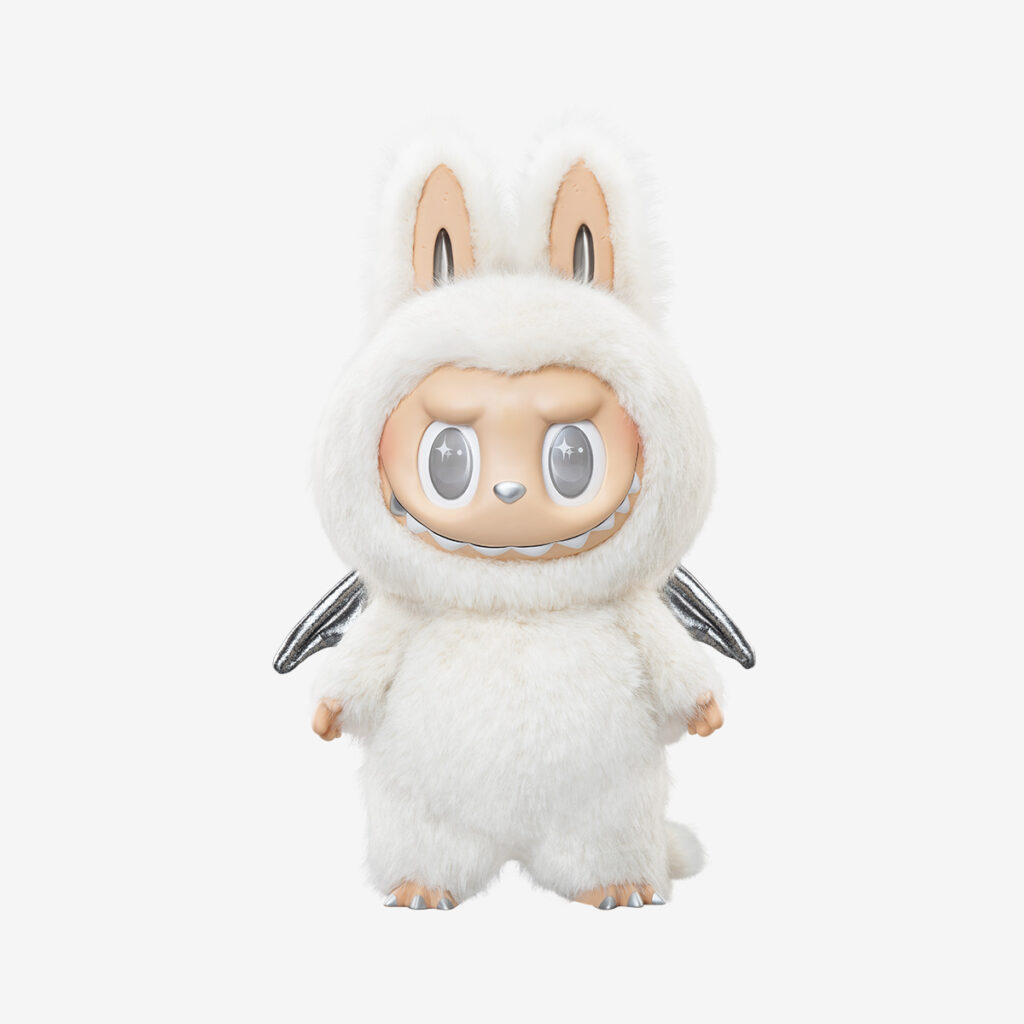
In the evolving world of designer toys, few characters have managed to capture global attention quite like Labubu. At first glance, Labubu appears unusual—slightly eerie yet oddly charming, with sharp teeth, wide eyes, and a chaotic expression that feels both playful and mysterious. Unlike traditional cute mascots designed to be instantly lovable, Labubu challenges expectations by blending innocence with a subtle sense of mischief.
What makes Labubu especially fascinating is not just the character itself, but the cultural wave it has created. It sits at the intersection of art, toy collecting, and emotional storytelling, becoming a symbol of how modern audiences connect with objects that carry personality rather than just visual appeal.
The Origins: From Artistic Imagination to Global Recognition
Labubu was created by Hong Kong-based artist Kasing Lung as part of his illustrated universe known as The Monsters. The character later gained massive popularity after being adapted into collectible figures through collaboration with Pop Mart, a company known for transforming artistic characters into blind box collectibles.
Originally, Labubu existed in illustrated form, inspired by European folklore, fairy-tale aesthetics, and slightly dark fantasy themes. Kasing Lung’s artistic style often blends childlike imagination with eerie undertones, and Labubu embodies this duality perfectly. When Pop Mart introduced Labubu into physical collectible form, the character transitioned from a niche artistic creation into a mainstream collectible phenomenon.
This transformation highlights an important shift in contemporary art consumption: characters are no longer confined to books or galleries—they live in hands, shelves, and digital communities.
Design Philosophy: Why Labubu Feels Both Cute and Unsettling
One of the most defining features of Labubu is its unique visual contradiction. It is not conventionally cute like many commercial mascots. Instead, it has exaggerated facial expressions, sharp teeth, and slightly chaotic proportions that give it a goblin-like personality.
This intentional design choice plays a major role in its identity. Labubu represents a form of “imperfect cuteness,” where charm is found not in symmetry or softness, but in personality and emotional depth. The character’s wide grin and expressive eyes often suggest mischief, curiosity, or surprise, allowing viewers to interpret emotions in multiple ways.
Unlike mass-produced characters designed to appeal universally, Labubu thrives on individuality. Each figure variation often includes costumes, seasonal themes, or fantasy interpretations that further expand its storytelling potential. This makes collecting Labubu not just about owning a toy, but about collecting fragments of a larger imaginative universe.
The Blind Box Phenomenon and Collectible Culture
The rise of Labubu is deeply connected to the global popularity of blind box culture, a retail format where buyers do not know which variant they will receive until opening the package. Pop Mart played a major role in popularizing this model internationally.
Labubu figures are often released in themed series, with rare “secret” editions that increase excitement and anticipation among collectors. This element of surprise creates a psychological loop similar to gaming mechanics—uncertainty, reward, and rarity all contribute to engagement.
Collectors often trade figures, attend toy exhibitions, and participate in online communities where they showcase their collections. Over time, Labubu has become more than a toy; it is part of a social identity for many enthusiasts. Owning specific rare editions can symbolize dedication, timing, or even luck.
This system has also contributed to a secondary resale market where rare Labubu figures can gain significant value, further fueling demand and cultural relevance.
Emotional Appeal: Why People Connect with Labubu
At its core, Labubu resonates because it reflects emotional complexity. Unlike overly polished characters that represent idealized happiness, Labubu feels unpredictable. It embodies a mix of emotions—joy, chaos, curiosity, and even slight discomfort.
This emotional ambiguity allows people to project their own feelings onto the character. For some, Labubu represents childhood imagination unfiltered by rules. For others, it symbolizes individuality in a world dominated by uniform design aesthetics.
There is also a psychological comfort in its imperfection. Labubu does not demand to be understood in a single way; instead, it invites interpretation. This openness creates a deeper connection between the object and its owner, making it feel more personal than conventional toys.
Labubu in Modern Pop Culture and Social Media
Social media platforms have played a crucial role in accelerating Labubu’s global reach. Collectors frequently share unboxing videos, shelf displays, and custom photography setups featuring their figures. These visual showcases transform Labubu into a lifestyle aesthetic rather than just a collectible item.
Influencers and artists often incorporate Labubu into creative compositions, blending it with fashion, interior design, and digital art. This has allowed the character to transcend its original purpose and become part of broader visual culture trends.
In many ways, Labubu represents how modern fandoms operate: decentralized, visually driven, and community-oriented. Its popularity is not driven by traditional advertising but by organic digital storytelling shared among fans worldwide.
The Artistic Value Behind Labubu’s Design
Beyond its commercial success, Labubu also holds artistic significance. The character reflects a growing movement in designer toys where art is made accessible outside traditional galleries. Instead of being confined to exhibitions, Labubu exists in a tangible, interactive form.
Kasing Lung infuses each design with narrative depth, often drawing from fairy tales, mythology, and emotional symbolism. This storytelling approach elevates Labubu from a simple figure to a piece of conceptual art.
Each release can be interpreted as a continuation of a larger narrative universe, encouraging collectors to engage not just visually but imaginatively. This blurring of boundaries between toy and art object is part of what makes Labubu culturally significant.
Criticism and Commercial Concerns
Despite its popularity, Labubu and the broader blind box industry have faced criticism. Some argue that the randomized purchasing model encourages excessive spending, particularly among younger audiences. Others question whether the commercialization of art diminishes its original creative intent.
Additionally, the rapid growth in demand has led to concerns about counterfeit figures and market saturation. As with many popular collectibles, scarcity and hype can sometimes overshadow artistic appreciation.
However, supporters argue that Labubu’s success demonstrates the power of independent art entering mainstream culture. It provides artists with global exposure and allows consumers to engage with art in more accessible ways.
The Future of Labubu and Designer Toys
The future of Labubu appears closely tied to the evolution of collectible culture itself. As long as audiences continue to value emotional design and interactive collecting experiences, Labubu is likely to remain relevant.
We may also see expansions into digital collectibles, augmented reality experiences, or animated storytelling formats. The boundary between physical and digital art is increasingly blurred, and characters like Labubu are well-positioned to exist across both worlds.
What remains constant is its core identity: a mischievous, expressive figure that refuses to fit into traditional definitions of cuteness or art.