Painter Techniques to Transform Any Room
A freshly painted room can completely transform the atmosphere of a home. Whether it’s refreshing tired walls, giving cabinets a new look, or updating exterior surfaces, employing the right techniques makes all the difference. Professional Painter techniques not only enhance aesthetic appeal but also ensure durability and long-lasting results.
Hiring experts like Rockstar Painting in Denver CO ensures top-quality services, including Interior painting, Exterior painting, Cabinet painting, Deck painting, Door painting, and Drywall repair. Their experience allows homeowners to achieve flawless finishes, save time, and avoid common mistakes.
Even minor details, such as choosing the correct brush, roller, or paint type, significantly influence the outcome. By understanding the strategies and methods used by professionals, homeowners can make informed decisions and create visually stunning spaces that reflect their personal style.
This article will explore essential painter techniques for interior and exterior spaces, highlight best practices, and provide tips on how to approach various surfaces for a complete room transformation.
Preparing the Surface for Painting
Proper preparation is the foundation of a professional finish. Skipping preparation can lead to peeling, uneven textures, and reduced paint longevity.
Cleaning and Sanding
Before applying paint, surfaces must be thoroughly cleaned to remove dust, dirt, grease, and old flaking paint. Light sanding ensures that the paint adheres evenly, providing a smooth base.
Drywall Repair
For interior walls, addressing imperfections with Drywall repair is essential. Filling cracks, smoothing holes, and sanding rough patches creates a seamless surface. Properly repaired drywall enhances the quality of Interior painting and ensures that the final coat looks flawless.
Priming
Applying a primer improves paint adhesion, prevents stains from bleeding through, and helps achieve uniform color. Primer is especially crucial when covering darker tones or painting bare wood and metal surfaces.
Choosing the Right Tools and Materials
Professional painters select tools based on surface type, paint formulation, and desired finish. Using the wrong brush, roller, or sprayer can compromise the final look.
Brushes and Rollers
- Brushes are ideal for trim, cabinets, doors, and corners.
- Rollers efficiently cover large flat surfaces, such as walls and ceilings.
- High-quality bristles reduce streaks and ensure smooth application.
Paint Types
- Latex paint is commonly used for interior walls due to durability and low odor.
- Oil-based paints are preferred for cabinets, doors, and trim for their glossy, hard-wearing finish.
- Specialty paints are available for decks and exteriors, offering weather resistance and UV protection.
Interior Painting Techniques
Cutting-In
“Cutting-in” involves painting along edges and corners with a brush before rolling. This technique prevents overlapping marks and provides crisp, clean lines.
Rolling Techniques
Using consistent pressure and a “W” or “M” pattern ensures even coverage without roller marks. Applying multiple thin coats is better than a single thick coat for a smoother finish.
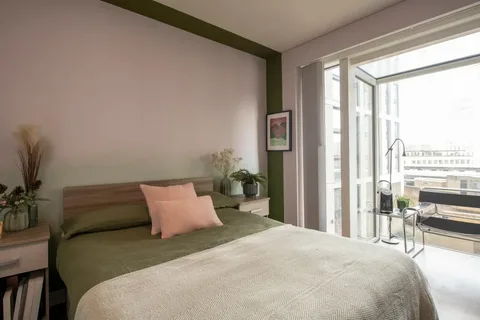
Accent Walls and Color Blocking
Accent walls can dramatically change a room’s mood. Professionals use precise measurements, painter’s tape, and straight lines to create bold yet clean visual effects. Color blocking can also highlight architectural features or furniture pieces.
Exterior Painting Techniques
Surface Preparation
Exterior surfaces are exposed to weather, mold, and fading. Power washing and scraping old paint are essential before applying new coats.
Deck Painting
Decks require specialized paints or stains to withstand moisture and foot traffic. Proper sanding, cleaning, and sealing extend longevity and prevent peeling.
Door Painting
Doors are often the first thing visitors see. Sanding, priming, and using high-quality paint ensures a polished look. Techniques like spraying or brushing can achieve smooth, professional finishes.
Cabinet Painting Techniques
Refinishing cabinets is a cost-effective way to update kitchens or bathrooms. Steps include:
- Removing doors and hardware
- Cleaning and sanding surfaces
- Applying primer and multiple thin paint coats
- Using a semi-gloss or satin finish for durability
Proper Cabinet painting gives furniture a custom look and long-lasting results, transforming the entire room without the cost of replacement.
Tips for Durable and Long-Lasting Results
- Follow Manufacturer Instructions: Proper drying times, temperature guidelines, and recommended coats ensure optimal performance.
- Work in Sections: Painting small areas at a time prevents lap marks and uneven color.
- Maintain Tools: Clean brushes, rollers, and sprayers immediately after use to prolong their life and prevent defects in future projects.
- Consider Environmental Factors: Interior humidity and exterior weather affect drying times and paint adhesion.
Conclusion
Transforming a room with paint is an art that combines preparation, technique, and attention to detail. From Interior painting and Cabinet painting to Exterior painting, Deck painting, Door painting, and Drywall repair, employing professional techniques guarantees a flawless finish that enhances any space.
Services provided by Rockstar Painting in Denver CO ensure that all surfaces are properly prepared, painted, and finished to the highest standards. By using the right tools, high-quality paints, and expert methods, homeowners can achieve long-lasting, visually stunning results that elevate the overall atmosphere of their homes.
FAQs
How often should I repaint my home interiors?
Most interior walls last 5–7 years, but high-traffic areas may require touch-ups or full repainting sooner.
Can I paint over old cabinets or doors without sanding?
Sanding or proper surface preparation is highly recommended to ensure adhesion and prevent peeling.
What’s the difference between Interior and Exterior painting techniques?
Exterior painting focuses on weather resistance, durability, and UV protection, while interior painting emphasizes aesthetics, smooth finishes, and odor control.
Is it better to hire a professional painter or DIY?
Professional painters provide expertise, efficiency, and high-quality results, reducing mistakes and ensuring durable finishes.
Can drywall repair affect the final paint finish?
Yes. Properly repaired and sanded drywall ensures smooth, even paint coverage, preventing bumps or cracks from showing.