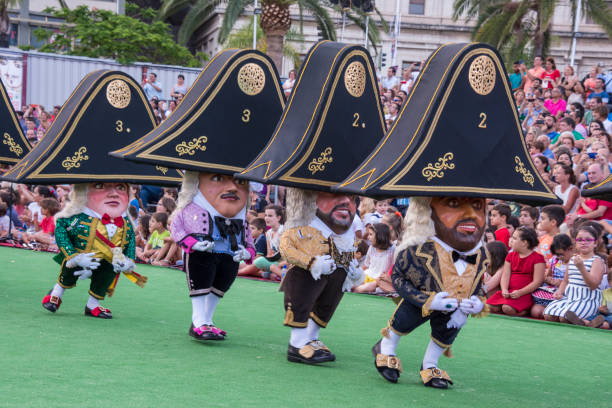
La Palma, Canary islands, Spain - July 09, 2015: Dwarfs or midgets dancing at the Lustral Festivities of the Bajada de la Virgen de las Nieves, in Santa Cruz de La Palma
Entertainment events continue to evolve as audiences look for unique experiences that combine creativity, interaction, and memorable moments. Successful event growth depends not only on delivering an impressive performance but also on using effective marketing strategies that connect with the right audience. Smart marketing helps entertainment providers build awareness, increase attendance, and create stronger relationships with guests.
In today’s competitive entertainment industry, understanding audience behavior and using modern promotional methods are essential. Professionals such as DJ Arthur Mix understand that successful events require a combination of creative performance, strategic branding, and consistent communication. A well-planned marketing approach can help entertainment experiences reach more people while building long-term recognition.
Understanding the Value of Audience-Focused Marketing
Successful event promotion begins with understanding what audiences want.
Identifying Target Audiences
Knowing the interests, preferences, and expectations of potential attendees allows businesses to create more effective marketing campaigns.
Creating Emotional Connections
Entertainment marketing works best when it focuses on experiences, emotions, and memorable moments rather than only promoting a service.
Building Audience Trust
Consistent communication, professional presentation, and authentic content help establish credibility with potential customers.
Building a Strong Event Brand Identity
A recognizable brand helps entertainment services stand out in a crowded market.
Developing a Unique Image
A strong visual identity, consistent messaging, and professional content help audiences remember an event.
Creating Memorable Promotions
Creative campaigns, engaging visuals, and storytelling can make an entertainment experience more appealing.
Maintaining Brand Consistency
Using similar styles across websites, social media, and promotional materials improves recognition and trust.
Digital Marketing Strategies for Event Growth
Online marketing plays an important role in reaching modern audiences.
Social Media Engagement
Platforms such as social networks allow event organizers to share updates, behind-the-scenes content, and audience interactions.
Video Marketing
Short videos, performance highlights, and promotional clips can showcase the energy and excitement of live entertainment.
Search Visibility
Optimizing online content with relevant information helps potential customers discover entertainment services more easily.
Using Content Marketing to Increase Awareness
Helpful and engaging content can attract audiences while establishing expertise.
Educational Content
Sharing information about event planning, entertainment trends, and performance features helps build authority.
Behind-the-Scenes Stories
Showing preparation, setup processes, and creative development creates stronger audience connections.
Customer-Focused Content
Testimonials, reviews, and event highlights provide social proof and increase confidence.
Leveraging Local Marketing Opportunities
Community-focused promotion can support event growth.
Connecting With Local Audiences
Understanding local interests and preferences helps create more relevant marketing campaigns.
Partnering With Businesses
Collaborations with venues, event planners, and local organizations can expand visibility.
Encouraging Community Engagement
Participation in local events and activities helps strengthen brand awareness.
Technology and Innovation in Event Promotion
Modern technology provides new ways to attract and engage audiences.
Interactive Digital Campaigns
Online contests, audience polls, and interactive content encourage participation before events.
Data-Based Marketing Decisions
Analyzing customer behavior helps businesses understand which strategies create the best results.
Digital Ticketing and Registration
Smooth online booking experiences improve convenience and encourage more attendance.
Enhancing the Guest Experience Through Marketing
Marketing should continue beyond event promotion.
Creating Anticipation Before Events
Countdowns, previews, and exclusive content can increase excitement before the event date.
Encouraging Audience Participation
Interactive activities help guests feel connected and involved.
Maintaining Relationships After Events
Follow-up communication and shared memories encourage repeat attendance and referrals.
The Role of Visual Branding in Entertainment Growth
Strong visuals help communicate the quality of an event.
Professional Photography and Videos
High-quality visuals demonstrate the atmosphere and excitement attendees can expect.
Creative Promotional Designs
Posters, digital graphics, and advertisements should reflect the energy of the entertainment experience.
Consistent Visual Messaging
A unified design style improves recognition across different marketing channels.
Applying E-E-A-T Principles to Event Marketing
Experience, expertise, authoritativeness, and trustworthiness are important for building audience confidence.
Demonstrating Real Experience
A history of successful events shows practical knowledge and reliability.
Sharing Industry Expertise
Providing useful insights about entertainment planning helps establish professional authority.
Building Trust Through Transparency
Clear information, honest communication, and reliable service create stronger customer relationships.
Measuring Marketing Success
Tracking results helps improve future campaigns.
Monitoring Audience Engagement
Analyzing views, interactions, and responses provides insight into audience interest.
Reviewing Attendance Data
Comparing marketing efforts with event participation helps identify successful strategies.
Improving Future Campaigns
Using performance data allows businesses to refine promotional approaches.
Future Trends in Event Marketing
Marketing strategies will continue changing as technology and audience expectations develop.
Increased Personalization
Audiences will expect promotions and experiences designed around their specific interests.
Greater Use of Artificial Intelligence
AI tools may help improve audience targeting, content creation, and customer communication.
More Interactive Experiences
Future marketing will focus on creating stronger connections between audiences and entertainment brands.
Conclusion
Smart marketing plays an essential role in growing successful entertainment events. By understanding audiences, using digital strategies, creating strong branding, and focusing on memorable experiences, event providers can build lasting connections and improve visibility. For anyone interested in a Cabezones Show in Hesperia CA, effective marketing combined with professional execution can help create stronger audience engagement and successful event growth.
FAQs
Why is marketing important for entertainment events?
It helps increase awareness and attract audiences.
How does social media support event growth?
It improves visibility and audience engagement.
What makes event branding effective?
Consistency, creativity, and clear messaging.
Can technology improve event marketing?
Yes, it supports better targeting and interaction.
Why is audience research valuable?
It helps create more relevant promotions.