Droopy upper eyelids can affect the appearance of the eyes and make the face look tired, older, or less refreshed. For some people, excess skin around the upper eyelids can also interfere with their vision or make everyday activities uncomfortable. Upper eyelid concerns may develop naturally with age, but genetics, skin elasticity, and lifestyle factors can also contribute to the problem.
Upper Blepharoplasty in London is a cosmetic surgical procedure designed to improve the appearance of droopy upper eyelids by removing excess skin and, when necessary, adjusting small amounts of fat. The treatment can create a more open and refreshed eye appearance while maintaining the natural shape of the eyes.
At Bodyvie Clinic, patients can learn about different options for improving upper eyelid appearance and discuss whether eyelid surgery is suitable for their individual needs. Understanding the procedure, recovery process, expected results, and treatment costs can help patients make informed decisions.
What Causes Droopy Upper Eyelids?
Droopy upper eyelids can develop for several reasons. Although ageing is one of the most common causes, younger people can also experience excess upper eyelid skin due to genetics or other factors.
Some common causes include:
Age-Related Skin Changes
As people get older, the skin gradually loses collagen and elasticity. The upper eyelid skin becomes thinner and less firm, which can lead to folds and excess skin around the eyes.
Genetics and Natural Facial Structure
Some individuals naturally have heavier or more folded upper eyelids. These features may run in families and can become more noticeable with age.
Reduced Skin Elasticity
Loss of skin firmness can cause the upper eyelids to appear loose or stretched. This may create a tired appearance even when someone feels well-rested.
Changes in Fat Distribution
Fat around the eyes can shift with age, sometimes creating a fuller or heavier appearance in the upper eyelid area.
Lifestyle Factors
Sun exposure, smoking, and inadequate skincare may contribute to premature skin ageing. These factors can affect skin quality and make existing eyelid concerns more noticeable.
How Upper Blepharoplasty in London Improves Droopy Eyelids
Upper Blepharoplasty in London is a surgical procedure that focuses on improving the appearance of the upper eyelids. It involves carefully removing excess skin and, where appropriate, adjusting underlying tissue to create a smoother and more defined eyelid contour.
The procedure is planned according to the patient’s facial anatomy, skin condition, and desired results.
Removal of Excess Upper Eyelid Skin
One of the main goals of upper eyelid surgery is to remove loose skin that creates heavy folds. The surgeon carefully measures the amount of skin that can be removed while maintaining natural eyelid function.
Creating a More Open Eye Appearance
Excess skin can make the eyes appear smaller or partially covered. Removing suitable amounts of skin can help create a more open and refreshed appearance.
Improving Upper Eyelid Contours
Some patients have extra fullness around their upper eyelids because of underlying fat. When appropriate, the surgeon may adjust this tissue to improve the overall eyelid contour.
Maintaining Natural Facial Features
The aim of the procedure is not to change the natural identity or shape of the eyes. Instead, treatment focuses on creating balanced results that complement the patient’s existing facial features.
Who Is a Suitable Candidate for Upper Eyelid Surgery?
Not everyone with droopy eyelids requires surgery. A consultation with a qualified surgeon is important to determine the cause of the concern and identify suitable treatment options.
You may be a suitable candidate if:
- You have loose or excess skin around the upper eyelids.
- Your upper eyelids appear heavy or tired.
- You notice deep folds caused by excess eyelid skin.
- Your eyelid skin affects your field of vision.
- You are in generally good health.
- You have realistic expectations about surgical results.
- You understand the recovery process and possible risks.
At Bodyvie Clinic, an individual assessment can help determine whether upper eyelid surgery is appropriate. Patients should also understand that drooping caused by weakened eyelid muscles may require a different surgical approach.
What Happens During Upper Blepharoplasty Surgery?
Understanding the surgical process can help patients feel more comfortable before undergoing treatment. Upper eyelid surgery usually follows several important stages.
Initial Consultation and Assessment
The process begins with a consultation. The surgeon examines the upper eyelids, checks skin condition, reviews medical history, and discusses the patient’s concerns.
The assessment may include checking eyelid position, muscle function, eyebrow position, and whether excess skin affects vision.
Preparing for the Procedure
Before surgery, patients receive instructions about medications, smoking, supplements, and other preparations. They should share information about previous eye conditions, dry eyes, allergies, and any medicines they take.
Following these instructions can help reduce avoidable complications.
Surgical Procedure
Upper blepharoplasty is commonly performed under local anaesthesia, sometimes with sedation depending on the patient’s needs and the surgical plan.
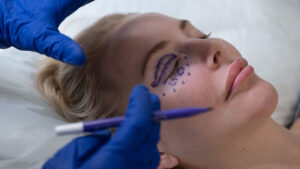
The surgeon usually makes an incision within the natural crease of the upper eyelid. Through this incision, excess skin is removed and underlying tissue may be adjusted when necessary.
The incision is then closed with fine stitches. Placing the incision within the natural eyelid crease helps make the resulting scar less noticeable once healing is complete.
After Surgery
Patients are monitored after the procedure and receive instructions for caring for their eyelids. Depending on the type of anaesthesia used, they may need someone to accompany them home.
Upper Blepharoplasty Cost in London: What Affects the Price?
Understanding the financial side of surgery is an important part of treatment planning. The Upper Blepharoplasty cost in London can vary depending on several factors, including the surgeon’s experience, clinic facilities, anaesthesia requirements, and the complexity of the procedure.
There is no single price that applies to every patient because each treatment plan is different.
Surgeon’s Experience and Qualifications
The surgeon’s qualifications, specialist training, and experience in eyelid procedures may influence the overall treatment fee. Patients should prioritise appropriate expertise and safety rather than choosing a procedure based only on price.
Complexity of the Procedure
Some patients require the removal of a small amount of excess skin, while others may need more detailed tissue adjustments. The complexity of the surgery can affect the final cost.
Anaesthesia and Clinical Facilities
The type of anaesthesia, operating facilities, medical team, and aftercare arrangements may also contribute to the total treatment price.
Consultation and Follow-Up Appointments
Patients should ask whether the quoted price includes the initial consultation, post-operative appointments, medication, and any necessary follow-up care.
At Bodyvie Clinic, patients can discuss their concerns and request information about treatment options and associated fees before making a decision.
Upper Blepharoplasty in London: Recovery and Healing Process
Recovery is an important part of achieving satisfactory results after eyelid surgery. Healing times vary between individuals, depending on the surgical technique, skin condition, and general health.
First Few Days After Surgery
Swelling, bruising, mild discomfort, and tightness around the eyelids are common during the initial recovery period. These symptoms generally improve gradually.
Patients should follow their surgeon’s instructions and avoid rubbing or putting pressure on the eyes.
First One to Two Weeks
Bruising and swelling usually begin to settle during the first couple of weeks. Stitches are commonly removed around five to seven days after surgery, depending on the technique used.
Some patients feel comfortable returning to light daily activities once their surgeon confirms it is appropriate.
Returning to Normal Activities
Most people can gradually return to work and everyday activities within one to two weeks, although recovery varies. Strenuous exercise, heavy lifting, and activities that increase pressure around the eyes should be avoided until medical clearance is given.
Long-Term Healing
The eyelid area continues to heal over the following weeks and months. Scars gradually soften and become less noticeable with time.
Patients should attend all recommended follow-up appointments to allow the surgeon to monitor healing.
How to Maintain Results After Upper Eyelid Surgery
Although upper blepharoplasty can provide long-lasting improvements, natural ageing continues after surgery. Taking care of the skin and following healthy habits can help maintain the appearance of the eyelids.
Protect Your Skin from Sun Exposure
Sun exposure can contribute to skin ageing and affect the appearance of scars. Wearing sunglasses and using suitable sun protection can help protect the delicate skin around the eyes.
Follow a Healthy Lifestyle
A balanced diet, adequate hydration, and sufficient sleep support general skin health. Avoiding smoking can also help improve healing and protect skin quality.
Follow Medical Advice
Patients should follow their surgeon’s recommendations regarding skincare products, eye makeup, and activities during recovery.
Attend Follow-Up Appointments
Regular follow-up appointments allow the medical team to assess healing and address any concerns that may develop after surgery.
What Are the Possible Risks of Upper Blepharoplasty?
Like other surgical procedures, upper eyelid surgery involves potential risks. Understanding these risks is essential before making a decision.
Possible complications include:
- Temporary swelling and bruising.
- Bleeding or infection.
- Dry or irritated eyes.
- Temporary difficulty closing the eyes completely.
- Visible or uneven scarring.
- Asymmetry between the eyelids.
- Changes in eyelid position.
- Rarely, changes in vision or other serious eye complications.
The risk of complications depends on individual health, anatomy, surgical technique, and post-operative care. Choosing a suitably qualified surgeon and following medical instructions can help reduce avoidable risks.
Patients should seek urgent medical attention if they experience sudden vision changes, severe eye pain, or rapidly increasing swelling after surgery.
Upper Blepharoplasty in London at Bodyvie Clinic: Why Individual Assessment Matters
Every patient has different eyelid concerns, facial features, and expectations. This is why an individual assessment is an important part of treatment planning.
At Bodyvie Clinic, patients can discuss their upper eyelid concerns and learn about suitable treatment options. A consultation provides an opportunity to understand the procedure, recovery requirements, possible complications, and expected outcomes.
Important factors to discuss during a consultation include:
- The surgeon’s qualifications and experience.
- Whether excess skin or another eyelid condition is causing the problem.
- The most suitable surgical technique.
- Expected recovery time.
- Potential risks and complications.
- The complete treatment price.
- Follow-up appointments and aftercare arrangements.
A personalised treatment plan helps patients understand what surgery can realistically achieve and whether the procedure matches their expectations.
Is Upper Blepharoplasty Worth Considering for Droopy Eyelids?
Upper eyelid surgery may be worth considering for people who are unhappy with excess skin, heavy eyelid folds, or a tired-looking eye appearance. It can also help address functional concerns when excess skin interferes with the upper field of vision.
However, the procedure is not suitable for every eyelid condition. Some patients may have drooping caused by muscle weakness, eyebrow position, or other medical issues that require a different approach.
A professional assessment is the best way to identify the cause and discuss suitable solutions.
Conclusion
Droopy upper eyelids can affect both facial appearance and, in some cases, everyday vision. Upper Blepharoplasty in London offers a surgical option for removing excess upper eyelid skin and creating a more open, refreshed appearance. The procedure should always be planned according to individual anatomy, medical needs, and realistic expectations.
Understanding the Upper Blepharoplasty cost in London, surgical process, recovery period, and possible risks can help patients make informed decisions. At Bodyvie Clinic, an individual consultation can help patients explore suitable options and understand the care required before and after surgery.
With appropriate surgical planning, realistic expectations, and proper aftercare, patients can work towards natural-looking results that complement their facial features.