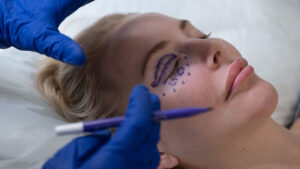
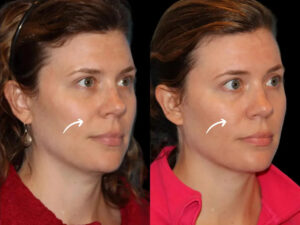
Young woman recieving injection of anti-aging botox filler to forehead from professional cosmetologist in beauty salon
Botox has become a popular non-surgical aesthetic treatment for people who want to soften the appearance of expression lines while maintaining a natural, refreshed look. However, achieving a balanced result involves more than simply treating visible wrinkles. Every face has unique characteristics, including muscle strength, skin quality, facial proportions, and patterns of movement. These differences make personalised treatment planning an important part of modern aesthetic care.
When considering Botox in London, patients may have different goals. Some want to soften forehead lines, while others are concerned about frown lines between the eyebrows or crow’s feet around the eyes. The most appropriate approach depends on the individual’s facial anatomy, preferences, and suitability for treatment.
Personalisation also involves understanding how the face moves during everyday expressions. A carefully planned approach aims to address specific concerns without unnecessarily restricting natural movement. This article explores the main factors that influence personalised Botox treatment, from facial assessment and muscle activity to lifestyle, expectations, and follow-up care.
Understanding the Importance of Personalised Botox Treatment
Botox is a purified form of botulinum toxin used in aesthetic medicine to temporarily reduce the activity of selected muscles. By influencing the nerve signals responsible for muscle contraction, it can soften certain expression lines that develop through repeated facial movements.
Although the treatment is widely recognised, the same approach will not necessarily suit every patient. Two people may have similar forehead lines but different muscle strengths, eyebrow positions, skin characteristics, and preferences regarding facial movement.
Personalisation begins with identifying the concerns that matter most to the patient. Rather than automatically treating every visible line, a practitioner considers which areas may benefit from treatment and whether the desired outcome is realistic.
For individuals exploring Botox Injections In London, an individual consultation provides an opportunity to discuss facial features, treatment goals, and the approach most appropriate for their needs. The objective is to create a plan that considers the whole face rather than focusing on isolated wrinkles.
Facial Anatomy and Natural Muscle Movement
Facial anatomy is one of the most important factors in treatment planning. The forehead, area between the eyebrows, and outer corners of the eyes contain muscles that contribute to different expressions. Their strength, position, and patterns of contraction vary between individuals.
For example, some people naturally raise their eyebrows when speaking, while others rely more heavily on the muscles between their eyebrows when concentrating. These differences influence how expression lines form and how treatment might be planned.
Forehead Muscle Activity
The frontalis muscle raises the eyebrows and creates horizontal forehead lines when it contracts. In some individuals, this muscle is particularly active, producing noticeable lines even during ordinary conversation.
A practitioner assesses forehead movement alongside eyebrow position and the contribution of surrounding muscles. This is important because the forehead muscles help support the eyebrows. Treatment planning should therefore consider their function rather than focusing exclusively on reducing wrinkles.
Frown Lines Between the Eyebrows
The muscles responsible for drawing the eyebrows together can create vertical lines commonly associated with frowning or concentration. Their activity differs from person to person.
Some patients have pronounced frown lines caused by strong muscle contraction, while others notice only mild creasing. A personalised approach takes these differences into account and considers the patient’s natural resting expression.
Crow’s Feet Around the Eyes
Crow’s feet develop around the outer corners of the eyes when the muscles involved in smiling and squinting contract. Their appearance may be influenced by facial expression, skin elasticity, and individual anatomy.
A consultation helps establish whether the patient’s primary concern is dynamic lines that appear during movement, lines that remain visible at rest, or a combination of both.
Understanding these distinctions allows the practitioner to develop a treatment plan that reflects the individual’s facial characteristics.
Skin Quality and the Appearance of Expression Lines
Skin quality can significantly influence the expected outcome of Botox treatment. Factors such as elasticity, hydration, sun exposure, and the natural ageing process affect how lines appear across the face.
Dynamic wrinkles are primarily associated with repeated muscle movement. Botox can help soften these lines by temporarily reducing the activity of selected muscles. However, lines that remain visible when the face is relaxed may also reflect changes within the skin itself.
For example, a patient with good skin elasticity may notice a clear improvement in movement-related forehead lines. Someone with more established creases may experience softening without complete elimination of the lines.
This distinction is important when setting expectations. Botox does not directly restore lost skin volume or replace treatments intended to address skin texture and surface quality.
A personalised assessment considers whether Botox alone is appropriate or whether a broader skincare approach may better address the patient’s concerns. Recommendations should be based on individual needs rather than an assumption that every visible line requires an injectable treatment.
Age and Individual Signs of Facial Ageing
Chronological age can provide some context for treatment planning, but it should not determine the approach on its own. People of the same age can have very different facial features and patterns of ageing.
Some younger adults notice expression lines because of frequent muscle activity. Others may have minimal visible lines despite regular facial movement. Older adults may have a combination of dynamic wrinkles, reduced skin elasticity, and changes in facial volume.
These differences mean that treatment should be guided by the individual’s presentation rather than a standard age-based formula.
For patients seeking Botox in London, a practitioner may consider how the lines appear during movement and at rest, whether the concern has changed over time, and what type of result the patient hopes to achieve.
The aim is to create a proportionate treatment plan that respects the person’s natural features and avoids treating areas without a clear indication.
Personal Aesthetic Goals and Desired Results
Personal preferences are central to successful treatment planning. Some patients prefer a subtle improvement that preserves most of their natural expressions, while others may prioritise a more noticeable reduction in selected lines.
Neither preference should be assumed during the consultation. Instead, the practitioner should ask which features concern the patient, how much change they would like to see, and whether maintaining particular expressions is especially important to them.
For example, someone who communicates expressively may want to soften forehead lines without losing the ability to raise their eyebrows naturally. Another patient may be more concerned about the appearance of frown lines that create an unintentionally serious expression.
Clear communication helps establish realistic expectations and supports a treatment plan tailored to the patient’s priorities.
Photographs, when appropriate and used with consent, can also help document the starting point and support discussion about the desired outcome. They should complement, rather than replace, an assessment of facial movement.
Previous Botox Treatments and Treatment History
A patient’s previous experience with Botox can provide useful information when planning future sessions. During the consultation, the practitioner may ask whether the patient has received treatment before, which areas were treated, how the results developed, and how long the effects appeared to last.
Some patients may have been satisfied with their previous results but want to focus on a different area. Others may prefer a softer appearance or feel that their earlier treatment reduced movement more than they wanted.
Previous treatment records, if available, can help clarify what was administered and how the patient responded. However, the current assessment remains important because facial movement, preferences, and aesthetic concerns can change over time.
Patients who have never received Botox may need more explanation about the treatment process, expected onset, duration of effect, and the importance of allowing sufficient time to assess the outcome.
Personalisation is therefore an ongoing process. The aim is not to repeat the same plan automatically at every appointment but to review the patient’s current needs and make appropriate decisions.
Lifestyle, Daily Habits, and Facial Expressions
Everyday habits can influence the way facial lines develop and become noticeable. Sun exposure, smoking, sleep patterns, skincare practices, and environmental factors may contribute to changes in skin quality over time.
Facial habits can also affect the appearance of expression lines. Frequent squinting, for instance, may contribute to lines around the eyes, while repeated frowning can make lines between the eyebrows more noticeable.
A consultation may explore these factors to provide a more complete understanding of the patient’s concerns. This does not mean that lifestyle habits determine the entire treatment outcome. Genetics, anatomy, and natural ageing also play important roles.
Patients may benefit from discussing skincare and sun protection alongside their aesthetic goals. Consistent sun protection and a suitable skincare routine can support overall skin health, although they do not replace the effects of Botox on targeted muscle activity.
A broader approach helps ensure that treatment planning reflects the patient’s needs beyond the injection appointment itself.
The Importance of Practitioner Assessment and Technique
The practitioner’s assessment plays a significant role in determining whether Botox is appropriate and how the treatment should be planned. Understanding facial anatomy, muscle interaction, and individual variation is essential when considering treatment areas.
A qualified and appropriately trained medical practitioner should assess the patient’s facial movements, relevant medical history, previous treatments, and desired outcome before recommending a plan.
Treatment technique may vary according to the area being treated, muscle activity, and the patient’s anatomy. Decisions about injection placement and the amount used should be made individually rather than following a fixed formula for everyone.
For anyone researching the Best Botox Clinic London, it is useful to consider the quality of the consultation, the practitioner’s relevant qualifications and experience, and whether the proposed plan reflects individual facial characteristics.
Patients should feel comfortable asking questions about the recommended approach, expected results, and follow-up arrangements. A good consultation should explain the reasoning behind the treatment plan and allow sufficient time for informed decision-making.
Setting Realistic Expectations and Planning Follow-Up
Botox does not produce its full effect immediately. Changes generally develop over several days, with the outcome commonly becoming clearer within approximately one to two weeks. Individual responses can vary.
This timeline is important because assessing the result too early may not provide an accurate picture of the treatment’s final effect.
A follow-up appointment may be appropriate when the practitioner needs to review the outcome, discuss the patient’s experience, or determine whether further assessment is required. Any decision about additional treatment should be based on the observed result and clinical judgement.
The effects of Botox are temporary, often lasting around three to four months, although duration varies according to the individual, the area treated, and other factors.
Patients should understand that maintaining results may involve future appointments, but treatment frequency should be discussed individually. Regular injections should not be scheduled automatically without considering the patient’s response and preferences.
Clear expectations help patients evaluate the outcome more realistically and support a considered approach to ongoing aesthetic care.
Why a Consultation Matters Before Botox Treatment
A consultation brings together the different factors that influence personalisation. It provides an opportunity to evaluate facial anatomy, discuss skin quality, understand the patient’s goals, and review relevant medical and treatment history.
During this discussion, the practitioner can explain which concerns may respond well to Botox and which may require a different approach. Some patients may benefit from treatment focused on one area, while others may be advised that Botox is unlikely to address their main concern on its own.
A consultation should also include a review of relevant medicines, medical conditions, previous reactions to injectable treatments, and other information that may affect suitability. Pregnancy, breastfeeding, certain neuromuscular conditions, and some medications may require particular consideration or mean treatment should be deferred.
Patients should have the opportunity to ask questions and decide whether they wish to proceed. There should be no pressure to treat multiple areas or pursue a particular aesthetic result.
For those considering Botox Injections In London, individual assessment is the foundation of a thoughtful treatment plan. It helps align clinical recommendations with the patient’s expectations while respecting natural facial movement.
Conclusion
Personalised Botox treatment involves much more than identifying wrinkles and selecting injection points. Facial anatomy, muscle strength, skin quality, age-related changes, lifestyle, previous treatment experience, and individual aesthetic preferences all contribute to the planning process.
A well-considered approach begins with understanding what the patient wants to achieve and assessing whether Botox is suitable for those concerns. It also involves realistic expectations, appropriate technique, and follow-up when needed.
For people exploring Botox in London, choosing a clinic that prioritises individual assessment and clear communication can help them make informed decisions about their care. Rather than pursuing a standardised result, the focus should remain on addressing specific concerns while respecting the person’s natural facial characteristics and expression.
Ultimately, effective personalisation depends on a collaborative relationship between the patient and a qualified practitioner, with treatment decisions guided by clinical assessment rather than a one-size-fits-all approach.
Frequently Asked Questions
1. What factors influence personalised Botox treatment?
Several factors may influence treatment planning, including facial anatomy, muscle strength, skin quality, the appearance of expression lines, previous treatments, medical history, and individual aesthetic goals. A consultation helps determine which areas may benefit from treatment.
2. Is Botox treatment the same for everyone?
No. Facial muscles, eyebrow positions, skin characteristics, and personal preferences vary between individuals. A personalised plan considers these differences rather than applying the same approach to every patient.
3. How does facial anatomy affect Botox injections?
Facial anatomy determines how muscles contribute to expressions such as raising the eyebrows, frowning, and smiling. Understanding these movements helps the practitioner assess suitable treatment areas and plan an approach that considers natural facial function.
4. Can Botox improve all types of wrinkles?
Botox is most effective for certain dynamic wrinkles caused by repeated muscle contractions. Lines that remain visible at rest may also be associated with changes in skin quality or facial volume, so Botox alone may not address every concern.
5. How long does Botox take to show results?
Initial changes may appear within several days, while the effects generally become clearer within around one to two weeks. The precise timeline varies between individuals and treatment areas.
6. How long do Botox results usually last?
Results commonly last around three to four months, although the duration can vary. Individual muscle activity, the treatment area, and personal response can influence how long the effects remain noticeable.
7. How can I choose the best Botox clinic in London?
Look for a clinic that provides consultations with appropriately qualified medical practitioners, explains the proposed treatment clearly, assesses your individual facial anatomy, and discusses realistic expectations. You should also feel comfortable asking questions before making a decision.
8. Should I have a consultation before Botox injections?
Yes. A consultation allows the practitioner to review your goals, medical history, facial movements, and previous treatments. It also helps establish whether Botox is suitable and whether an alternative approach may better address your concerns.
9. Can my Botox treatment plan change over time?
Yes. Facial characteristics, aesthetic preferences, and responses to previous treatments may change. Reviewing these factors during subsequent consultations allows the practitioner to adjust recommendations when appropriate.
10. Will personalised Botox treatment preserve my natural expressions?
Treatment planning can take the desire to maintain natural expressions into account. The practitioner considers muscle activity and the patient’s preferences when recommending an approach. The exact result varies, so it is important to discuss the desired balance between softening lines and preserving movement before treatment.