Trapstar: The Story, Style, and Cultural Influence of a Modern Streetwear Icon
Streetwear has become one of the most influential areas of modern fashion, but its roots remain closely connected to music, youth culture, creativity, and the streets where new styles often emerge naturally. Trapstar stands out within this landscape because its identity has developed around a powerful combination of bold visual language, underground energy, and contemporary urban culture. Rather than presenting clothing as something separate from everyday life, Trapstar has helped demonstrate how fashion can become an extension of personality and attitude. Its appeal comes from garments that carry a recognizable character while still fitting naturally into casual wardrobes. For many streetwear enthusiasts, the attraction is not simply the clothing itself but the cultural atmosphere surrounding the brand and the confidence associated with its aesthetic.
The Origins of Trapstar and Its Distinctive Identity
Trapstar emerged from London’s creative environment, where music, art, nightlife, and street culture have historically influenced one another. The brand developed a visual identity that felt connected to the energy of the city rather than traditional fashion institutions. This background became an important part of its appeal because the label appeared to represent an authentic cultural movement rather than simply following established fashion formulas. Its name, graphics, and overall presentation created a distinctive image that could immediately be associated with a particular urban attitude. Over time, Trapstar’s identity became increasingly recognizable, allowing its clothing to develop a presence that extended beyond individual garments and into the wider world of contemporary street culture.
The Power of Trapstar’s Visual Language
One of the most important elements of Trapstar’s appeal is its visual language. Strong typography, recognizable symbols, striking graphics, and carefully positioned branding allow its garments to communicate immediately. In streetwear, visual recognition can be extremely important because clothing often functions as a statement before a person even says anything. Trapstar understands this relationship between design and identity, using visual elements to establish a consistent character across different collections and garments. The result is clothing that can feel expressive without requiring elaborate styling. A single branded hoodie or T-shirt can become the central point of an outfit, demonstrating how effective graphic design can transform a familiar wardrobe item into something culturally recognizable.
Trapstar Hoodies and Everyday Streetwear
The hoodie has become one of the defining pieces of modern streetwear, and Trapstar has developed a strong connection with this category. Hoodies naturally combine comfort, practicality, and visual impact, making them suitable for everyday outfits while also providing space for distinctive graphics and branding. A Trapstar hoodie can be paired with relaxed trousers, denim, cargo pants, or track-inspired bottoms depending on the desired aesthetic. Sneakers often complete the look, while layering can add additional depth during colder weather. What makes the hoodie particularly important is its versatility. It can be worn casually without looking careless, while the branding gives the outfit a stronger sense of identity.
Trapstar Jackets and the Importance of Outerwear
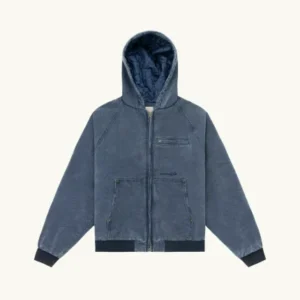
Outerwear has always played an important role in streetwear because jackets can influence the entire silhouette of an outfit. Trapstar’s approach to outerwear fits naturally into an urban wardrobe, where practical layers are combined with recognizable design details. A jacket can provide warmth while simultaneously becoming the visual centerpiece of a look. This is particularly effective when the rest of the outfit remains relatively understated. Streetwear styling often works through balance: a statement jacket can be combined with simple trousers and sneakers, allowing the outerwear to remain the focus. Trapstar’s aesthetic makes this type of styling especially natural because its designs often carry enough personality to stand independently.
The Connection Between Trapstar and Music Culture
Music has played an enormous role in the development of modern streetwear, and Trapstar is closely associated with this relationship. London’s music culture has provided a creative environment where clothing, sound, and identity constantly influence one another. Artists and musicians have often used fashion as part of their public image, while clothing brands have drawn inspiration from the energy surrounding music scenes. Trapstar μπουφαν became connected with this world in a way that helped strengthen its cultural relevance. The relationship is significant because it shows how fashion can spread through communities organically. When people see clothing being worn within music and creative circles, the garments can become associated with a particular lifestyle, attitude, or cultural moment.
Why Trapstar Became Important to Streetwear
The growth of Trapstar reflects a larger change in how fashion audiences discover and value brands. Traditional fashion once relied heavily on magazines, runway shows, department stores, and established designers. Modern streetwear has developed through different channels, including music, social media, independent communities, creative collaborations, and word of mouth. Trapstar’s identity fits naturally within this environment. Its designs can be recognized quickly, while its cultural associations give the clothing an additional layer of meaning. This combination of strong branding and cultural relevance helped the brand establish a distinctive position within the wider streetwear conversation.
The Appeal of Trapstar T-Shirts
T-shirts remain among the most versatile garments in any wardrobe, but streetwear transforms the basic T-shirt into an opportunity for visual expression. Trapstar T-shirts often work as statement pieces because graphic elements can communicate the brand’s identity immediately. A T-shirt can be worn with jeans for a straightforward everyday outfit or layered beneath a hoodie, overshirt, or jacket for a more developed streetwear look. The simplicity of the garment allows the graphic design to remain visible while giving the wearer plenty of freedom with the rest of the outfit. This balance between simplicity and expression is one reason branded T-shirts continue to play such an important role in street fashion.
Authenticity and the Meaning of Streetwear
Authenticity is one of the most important ideas in streetwear. Consumers often want to know that a brand has a genuine connection to the culture it represents rather than simply borrowing its appearance for commercial purposes. Trapstar’s London roots and connection with creative communities contribute to its sense of authenticity. The brand’s identity developed within an environment where music, art, and fashion naturally overlapped. This history gives its clothing context and helps explain why the designs resonate with people interested in urban culture. Authenticity does not mean remaining unchanged; instead, it means developing new ideas without losing the character that made a brand recognizable in the first place.
Styling Trapstar in a Modern Wardrobe
One of the strengths of Trapstar clothing is its ability to work within different interpretations of streetwear. A person who prefers an understated outfit might choose one statement garment and keep the remaining pieces simple. Someone with a more expressive style might combine multiple layers, contrasting textures, and different silhouettes. Hoodies can work with loose trousers, cargo pants, or denim, while jackets can add structure to otherwise relaxed outfits. Sneakers remain a natural finishing choice, although footwear can completely change the personality of the overall look. The key is to treat Trapstar pieces as part of a wider wardrobe rather than relying on every garment to make a statement at once.
The Influence of London on Trapstar’s Aesthetic
London has long been recognized for its ability to produce distinctive fashion cultures. Different neighborhoods, music scenes, creative communities, and subcultures have contributed to a city where personal style can vary dramatically. Trapstar’s identity reflects some of this urban diversity. Its aesthetic carries an energetic quality that feels appropriate for a city where traditional influences constantly interact with contemporary creativity. This connection to London gives the brand a geographical identity while allowing its designs to appeal internationally. Streetwear may be global, but the strongest brands often maintain a sense of where their story began.
Trapstar and the Evolution of Contemporary Fashion
The influence of streetwear on the broader fashion industry has become impossible to ignore. Relaxed silhouettes, hoodies, sneakers, graphic T-shirts, and athletic-inspired garments have moved from niche communities into mainstream wardrobes. Trapstar Bag belongs to the generation of streetwear brands that helped demonstrate the cultural and commercial potential of urban fashion. Its success illustrates how a brand can develop influence without following the traditional path of established luxury fashion. The relationship between street culture and high fashion continues to evolve, but the growing importance of streetwear has created opportunities for independent identities to reach global audiences.
The Future of Trapstar
The future of any established streetwear brand depends on its ability to evolve while preserving its recognizable identity. Fashion audiences change quickly, and new aesthetics appear constantly through music, social media, art, and emerging creative communities. Trapstar’s strongest foundation is its established visual identity and cultural history. Continuing to develop that identity through fresh designs, thoughtful collaborations, and relevant storytelling can help maintain its position within modern streetwear. The challenge is finding a balance between innovation and familiarity. A brand must give its audience something new while still providing the qualities that originally made people connect with it.