A freezer is designed to maintain consistently low temperatures while protecting stored food from thawing. When frost begins collecting around the door, however, it can indicate that warm, moist air is entering the compartment. A small amount of frost may seem harmless, but continued accumulation can interfere with storage space, airflow, and normal appliance operation.
Homeowners researching refrigerator repair in Pompano Beach fl may find it helpful to understand why freezer doors develop frost and which warning signs deserve attention. The cause may be something simple, such as a package preventing the door from closing, or a worn component that requires professional inspection.
Recognizing the difference between occasional condensation and recurring frost buildup helps homeowners respond appropriately. A few practical checks can reveal whether the problem is related to everyday use, door sealing, temperature settings, or an internal mechanical issue.
How Warm Air Enters a Freezer Compartment
Freezers depend on a closed environment to maintain low temperatures. When the door opens, warmer household air enters and brings moisture with it. As this moisture comes into contact with cold interior surfaces, it can freeze and form frost.
Occasional frost after frequent door openings is not always a sign of damage. Problems develop when warm air enters repeatedly or the door fails to seal properly. If frost keeps returning around the same area, homeowners should investigate the source instead of treating the visible ice as an isolated issue.
Inspecting the Door Gasket for Gaps
The rubber gasket surrounding a freezer door creates a seal that helps prevent outside air from entering. Over time, this flexible material can become dirty, cracked, loose, or deformed. Even a small gap may allow humid air to enter continuously.
Homeowners can inspect the gasket by looking for visible damage, hardened sections, or areas that no longer sit evenly against the refrigerator frame. Cleaning away food residue and dirt may improve contact in some situations. However, a gasket that has lost its shape or developed cracks may need replacement to restore an effective seal.
Why Overfilled Freezers Can Create Sealing Problems
A crowded freezer can make it difficult to close the door completely. Large containers, improperly positioned packages, and bulky frozen foods may extend beyond shelves or storage baskets and interfere with the door.
Before assuming a mechanical fault, check whether anything is preventing the door from shutting fully. Organizing items so they remain within designated storage areas can reduce accidental obstructions. Leaving appropriate space around interior vents also helps maintain airflow. If frost continues despite proper organization, the problem may involve the hinges, gasket, or another component.
Understanding the Impact of Humidity in Coastal Homes
Humidity can influence how much moisture enters a freezer whenever its door is opened. In warm, humid environments such as Pompano Beach, Florida, outside air may contain considerable moisture. When that air reaches freezing surfaces, the moisture can quickly become frost.
This makes proper door closure and gasket condition especially important. Homeowners should avoid leaving the freezer open while organizing groceries and should make sure the door closes securely after each use. Although household humidity cannot always be controlled, reducing unnecessary exposure helps limit moisture entering the compartment.
When Door Hinges and Alignment Become a Problem
A freezer door must sit evenly against the refrigerator cabinet to create a dependable seal. Loose hinges, worn hardware, or an appliance that is not positioned correctly can affect door alignment. In some cases, the door may appear closed while leaving a narrow gap along one edge.
Look for uneven spacing around the door and notice whether it shifts, rubs against the cabinet, or requires unusual effort to close. Adjusting an appliance’s leveling feet may help when the refrigerator is not sitting properly, but damaged hinges or mounting hardware may require repair. Persistent misalignment should not be ignored.
Frost Buildup Can Interfere With Air Circulation
Freezers rely on internal airflow to distribute cold air throughout the compartment. Heavy frost accumulation can restrict airflow around vents and cooling surfaces, making it harder for the appliance to maintain consistent temperatures.
When airflow becomes restricted, some areas may become colder than others while stored food experiences uneven conditions. Homeowners should avoid scraping ice aggressively because sharp tools can damage interior surfaces or refrigeration components. If frost is extensive or returns quickly after defrosting, a technician may need to inspect the defrost system and related parts.
The Role of Automatic Defrost Components
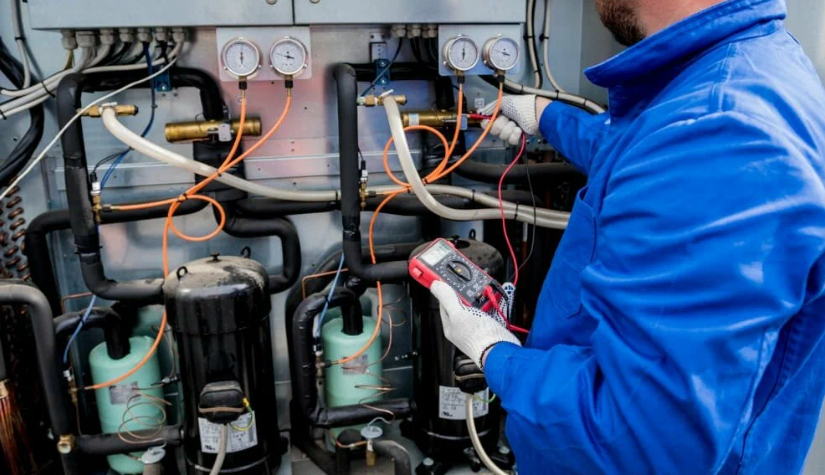
Many modern refrigerators use an automatic defrost system to prevent excessive ice accumulation on the evaporator. Depending on the model, this system may include a defrost heater, temperature sensor, thermostat, and electronic control.
If one of these components stops working correctly, frost may accumulate even when the freezer door seals properly. Symptoms can include heavy ice buildup, reduced cooling performance, and unusual changes in appliance operation. These components require proper testing, so homeowners should avoid attempting electrical repairs without the necessary knowledge and equipment.
Safe Ways to Remove Excessive Frost
When a freezer has noticeable frost buildup, the correct defrosting procedure depends on the appliance model. Some refrigerators offer a specific defrost function, while others require the freezer to be emptied and switched off according to manufacturer instructions.
Food should be transferred to a suitable insulated container or another working freezer while defrosting takes place. Avoid using knives, screwdrivers, hair dryers, or other improvised methods to remove ice. These approaches can damage components or create safety hazards. After defrosting, dry the interior and check the door seal before returning food to the compartment.
When Professional Inspection Becomes Necessary
Repeated frost accumulation often means the underlying cause has not been resolved. If the gasket appears intact, the door closes properly, and the freezer still develops thick ice, the appliance may have a defrost-system, sensor, fan, or control issue.
Professional diagnosis can help identify the faulty component without unnecessary replacements. Homeowners looking into refrigerator repair in Pompano Beach fl should describe where the frost appears, how quickly it returns, and whether cooling performance has changed. These details can help narrow down possible causes. Pozharko Appliance Repair is a business to consider when researching local appliance service options for refrigerator problems.
Conclusion: Preventing Frost Starts With Understanding Its Cause
Frost around a freezer door is often connected to moisture entering the compartment, but the underlying reason can vary. Poor door closure, damaged gaskets, crowded storage, alignment problems, and malfunctioning defrost components can all contribute to the issue. Addressing the cause is more effective than repeatedly removing visible ice.
Regularly checking the door seal, keeping packages away from the closing area, and following the manufacturer’s maintenance instructions can help protect freezer performance. When frost returns despite these precautions, a proper inspection can determine whether a repair is needed and help prevent further disruption to everyday food storage.