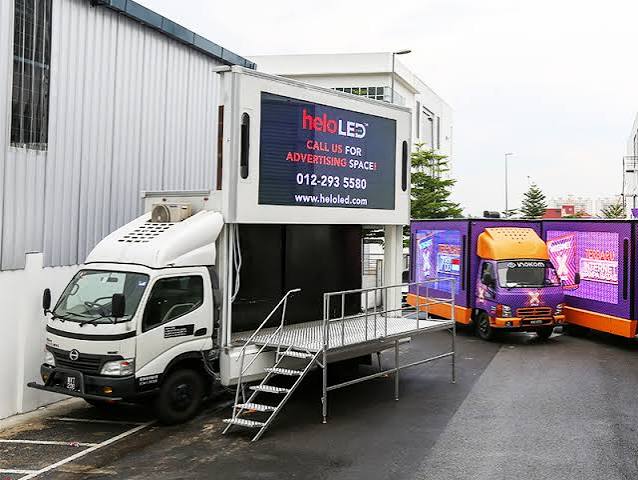
Choosing the right commercial LED display is an important investment for businesses looking to improve brand visibility, customer engagement and digital communication. However, selecting the right display technology is only one part of the process. Finding a dependable led screen supplier malaysia businesses can trust is equally important to ensure product quality, professional installation and long-term technical support. Whether you are planning to install LED billboards, indoor advertising displays, outdoor digital signage or large video walls, working with an experienced supplier can make a significant difference to the success of your project.
With many LED display providers offering different products and services, businesses should understand what separates a reliable supplier from an ordinary equipment seller. Here are the key qualities to look for before making your decision.
1. Extensive Experience in Commercial LED Display Solutions
Experience is one of the first factors businesses should evaluate when choosing an LED display supplier.
Commercial LED display projects often involve more than supplying display panels. They require technical planning, site assessment, screen configuration, installation and ongoing maintenance.
An experienced supplier should understand the different requirements of retail outlets, shopping malls, corporate offices, exhibition centres and outdoor advertising locations.
Proven Track Record Across Different Industries
A reliable supplier should be able to demonstrate experience working with different commercial applications.
For example:
-
Retail: Digital promotional displays and advertising screens.
-
Corporate: LED video walls for meeting rooms and presentation spaces.
-
Hospitality: Digital displays for hotels, restaurants and entertainment venues.
-
Events: Large LED backdrops for conferences and exhibitions.
-
Outdoor advertising: LED billboards and roadside digital displays.
Reviewing previous projects can help businesses understand whether a supplier has the experience to handle their specific requirements.
Ability to Recommend Suitable Display Technology
Different businesses have different display requirements.
A supplier with sufficient technical knowledge should be able to recommend appropriate screen dimensions, pixel pitch, brightness and installation configurations based on the intended application.
Rather than simply recommending the most expensive product, a dependable supplier focuses on finding a solution that meets the client’s objectives and budget.
2. High-Quality LED Display Products
Product quality directly affects display performance, image clarity and operational lifespan.
Businesses investing in commercial LED displays should prioritise suppliers that offer reliable components and products designed for their intended operating environments.
High Resolution and Consistent Image Quality
Image clarity is particularly important for commercial environments where customers may view displays from different distances.
Pixel pitch refers to the distance between individual pixels on an LED screen. A smaller pixel pitch generally provides higher image detail at closer viewing distances.
For example:
-
P1.2–P2.5: Suitable for close-viewing indoor applications.
-
P2.5–P3.9: Suitable for various indoor commercial displays.
-
P3.9–P6.0: Commonly used for larger indoor and outdoor viewing environments.
-
P6.0 and above: Can be suitable for large outdoor displays viewed from greater distances.
The ideal specification depends on the screen size, installation location and audience viewing distance.
Reliable Components and Manufacturing Standards
A dependable supplier should provide information about the components used in its LED displays.
Important considerations include LED chips, power supplies, receiving cards, cabinets and control systems.
Quality components help support stable operation, consistent brightness and reliable performance over time.
Businesses should also ask about product warranties and applicable quality certifications before confirming an order.
3. Comprehensive Indoor and Outdoor LED Display Options
A reliable supplier should offer different display solutions rather than limiting customers to a single product category.
This is important because indoor and outdoor environments have different technical requirements.
Indoor LED Display Solutions
Indoor LED displays are commonly installed in shopping malls, retail stores, corporate offices, hotels and exhibition centres.
These screens generally prioritise image clarity and fine pixel pitch because audiences may view them from relatively short distances.
Popular applications include:
-
Shopping mall advertising displays.
-
Corporate LED video walls.
-
Retail promotional screens.
-
Reception area digital displays.
-
Indoor exhibition backdrops.
Outdoor LED Display Solutions
Outdoor LED displays must operate under more challenging environmental conditions.
They generally require higher brightness levels to maintain visibility under sunlight, together with suitable weather protection.
Common applications include:
-
Outdoor LED billboards.
-
Building facade displays.
-
Roadside advertising screens.
-
Stadium LED displays.
-
Outdoor event advertising.
A knowledgeable supplier should be able to explain the differences and recommend appropriate specifications for each installation.
4. Professional Site Assessment and Installation Services
Even high-quality LED displays may experience operational problems if they are installed incorrectly.
Professional installation is therefore an important quality to consider when comparing suppliers.
Understanding the Installation Environment
Before recommending an LED display, a reliable supplier should evaluate the installation location.
This may involve checking:
-
Available installation space.
-
Wall or structural load capacity.
-
Viewing distance and screen positioning.
-
Electrical supply requirements.
-
Cable routing and ventilation.
-
Environmental exposure and accessibility.
These assessments help determine the most suitable installation method and reduce the risk of unexpected complications.
Experienced Technical Installation Team
LED display installation requires technical knowledge and proper equipment.
Depending on the project, installation may involve wall mounting, structural frames, cabinet alignment, electrical connections and display calibration.
A professional installation team should ensure that individual panels are properly aligned and that the entire display produces consistent visuals.
Businesses should also confirm whether testing and commissioning are included before the system is handed over.
5. Strong After-Sales Support and Maintenance
Purchasing a commercial LED display is a long-term investment. Even reliable systems may require maintenance, component replacement or technical troubleshooting over time.
This makes after-sales support one of the most important qualities of a dependable supplier.
Responsive Technical Assistance
A reliable supplier should provide accessible technical support when customers experience display issues.
For example, businesses may encounter problems involving damaged LED modules, signal interruptions, power supply failures or inconsistent brightness.
Having an experienced technical team available can help identify problems and reduce unnecessary operational downtime.
Preventive Maintenance Services
Regular maintenance helps commercial LED displays remain in good operating condition.
Depending on the installation, maintenance may include:
-
Checking LED modules and connections.
-
Inspecting power supply components.
-
Cleaning display surfaces and ventilation areas.
-
Checking brightness and colour consistency.
-
Testing control systems and signal connections.
-
Replacing faulty components when necessary.
Before choosing a supplier, ask whether maintenance services are available and what is included in the service agreement.
6. Customisation and Flexible Display Configurations
Commercial environments often require customised display solutions rather than standard screen dimensions.
For example, a shopping mall may need a large digital advertising wall, while a retail store may require a narrow vertical LED display.
A capable supplier should offer flexibility in terms of screen dimensions, cabinet configurations, installation structures and display applications.
Custom LED Video Walls
LED video walls can be designed to fit different architectural spaces.
Businesses can install large horizontal displays, vertical screens, curved LED walls or customised configurations depending on their branding and communication requirements.
Integration with Digital Signage Systems
Modern commercial displays often require more than basic video playback.
Businesses may need digital signage software to manage promotional campaigns, update advertising content and schedule messages across multiple screens.
A reliable supplier should be able to advise on compatible content management systems and display controllers.
This is particularly useful for retail chains, shopping malls and businesses operating multiple commercial locations.
7. Transparent Pricing and Warranty Coverage
Price is an important consideration when selecting a commercial LED display supplier. However, businesses should avoid making decisions based entirely on the lowest quotation.
A significantly cheaper solution may involve compromises in component quality, installation services or warranty coverage.
Detailed and Transparent Quotations
A professional supplier should provide a quotation that clearly explains the project costs.
Important pricing components may include:
-
LED display panels and cabinets.
-
Display controller and processing equipment.
-
Supporting structures and mounting systems.
-
Transportation and delivery.
-
Installation and commissioning.
-
Software and configuration.
-
Technical support and maintenance.
Having a detailed quotation makes it easier to compare different suppliers and understand the actual project investment.
Clear Warranty Terms
Businesses should also understand the warranty coverage before purchasing an LED display.
Ask about the warranty period, covered components, exclusions, replacement procedures and response times for technical support.
Clear warranty terms help businesses understand what to expect if equipment problems occur after installation.
8. Knowledge of Malaysia’s Commercial and Business Environment
Choosing a local supplier can offer practical advantages, particularly when a project requires site visits, installation coordination and ongoing technical support.
A supplier familiar with Malaysia’s commercial environment may better understand the requirements of local shopping malls, corporate buildings, event venues and outdoor advertising locations.
Local Project Coordination
Working with a Malaysia-based supplier can make communication and project coordination more convenient.
For businesses operating in Kuala Lumpur, Selangor, Penang, Johor Bahru and other major commercial areas, local support may also simplify transportation and maintenance arrangements.
Understanding Local Installation Requirements
Different commercial buildings and locations may have specific installation, electrical and safety requirements.
A knowledgeable supplier should be able to discuss relevant approvals, building management requirements and applicable technical considerations before beginning installation.
This helps businesses plan their projects more effectively.
Questions to Ask Before Choosing an LED Display Supplier
Before signing an agreement, businesses should ask potential suppliers several important questions.
| Questions | Why They Matter |
|---|---|
| What LED display products do you offer? | Helps determine whether the supplier meets your requirements. |
| Can you provide previous project references? | Demonstrates experience and capabilities. |
| Which pixel pitch is suitable for my location? | Ensures appropriate image clarity. |
| Do you provide installation services? | Clarifies project responsibilities. |
| What warranty coverage is included? | Helps protect your investment. |
| Is technical support available locally? | Provides assistance when problems occur. |
| Do you offer maintenance services? | Supports long-term display performance. |
Comparing suppliers based on these questions can help businesses make more informed purchasing decisions.
Conclusion
Finding a reliable commercial LED display supplier requires more than comparing product prices. Businesses should evaluate technical experience, product quality, display options, installation capabilities, after-sales support and warranty coverage before making a commitment.
Whether you need an indoor LED video wall for a corporate office, an outdoor LED billboard for advertising or digital displays for a retail environment, the right supplier should be able to recommend a solution that matches your business objectives.
By prioritising these qualities, businesses in Malaysia can make better investment decisions, minimise potential technical issues and enjoy more reliable commercial display performance over the long term.